Cafè Scientifique - The Cerebellum, the Little Giant of the mind
2 June 2026
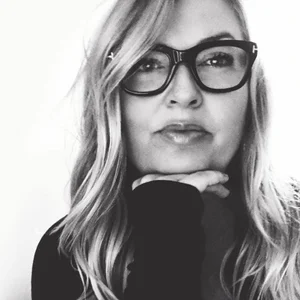
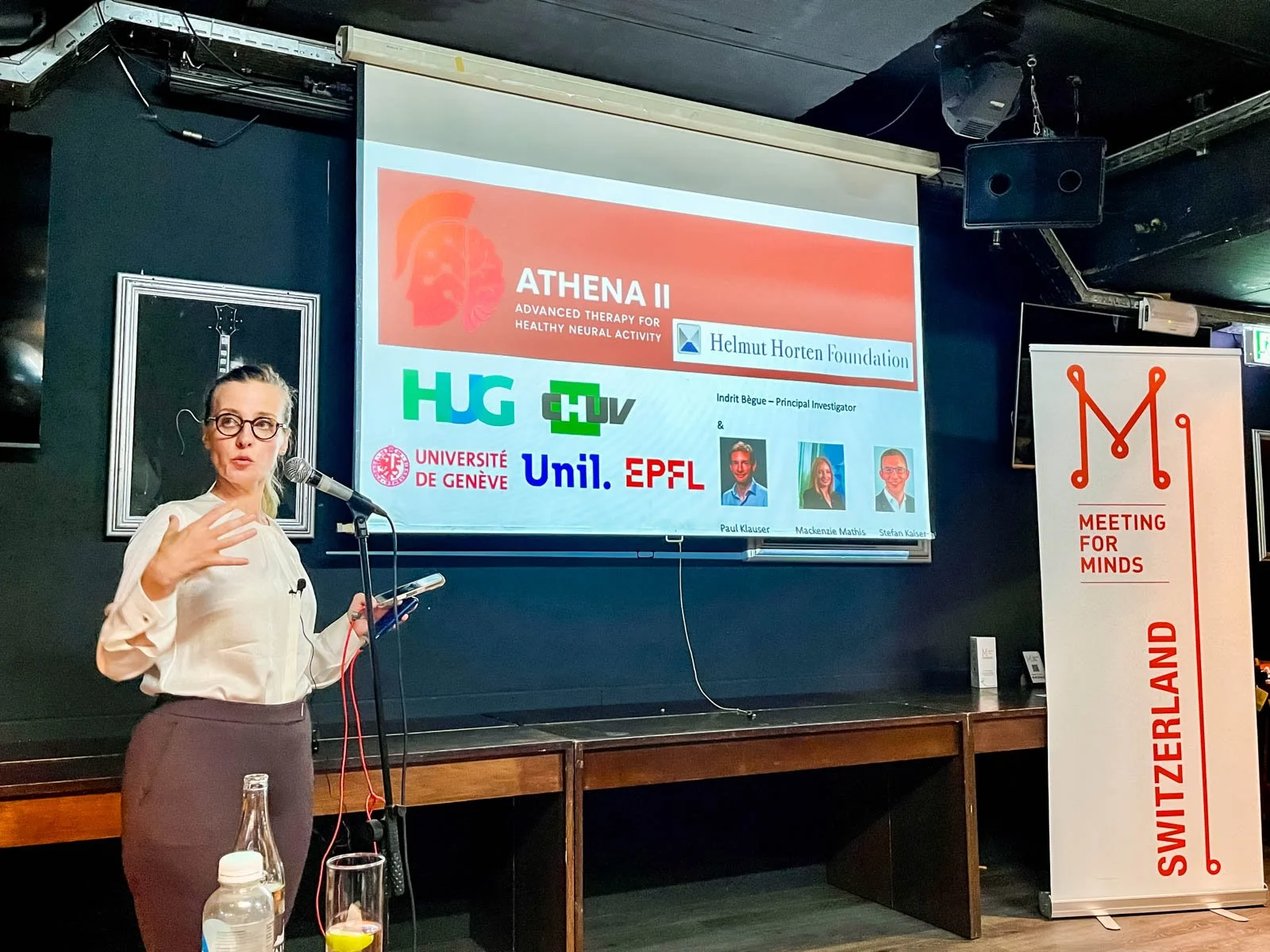
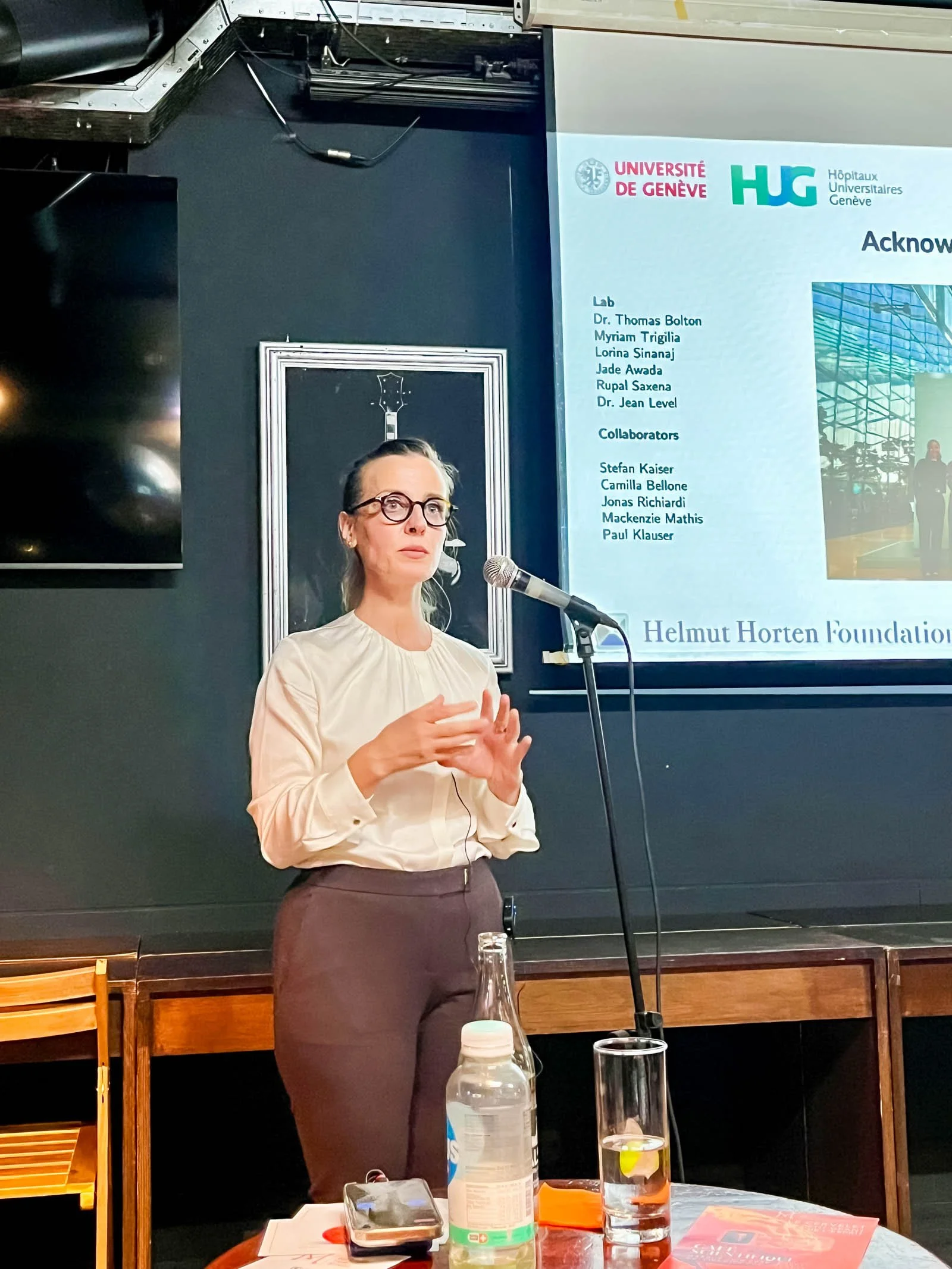
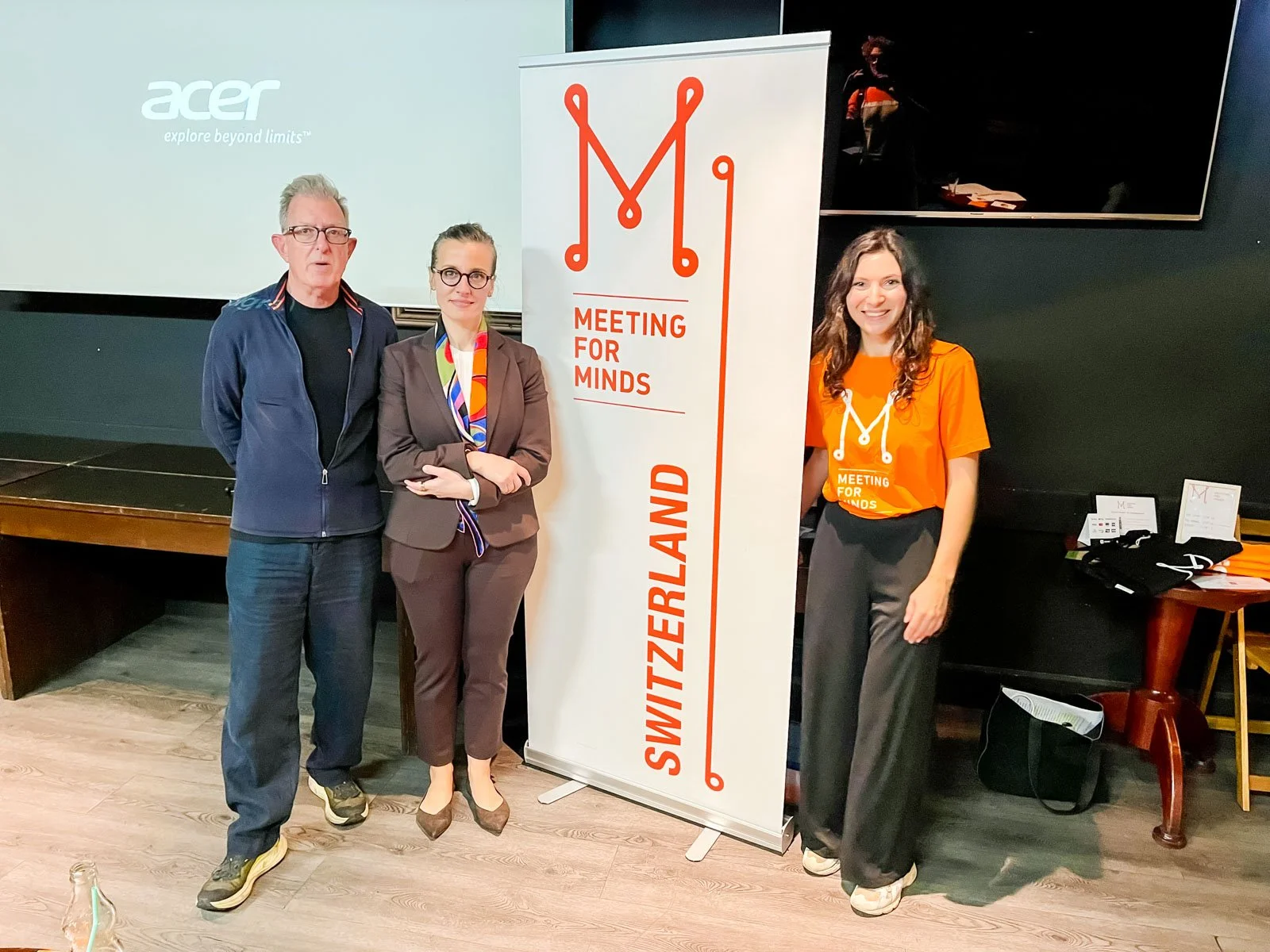
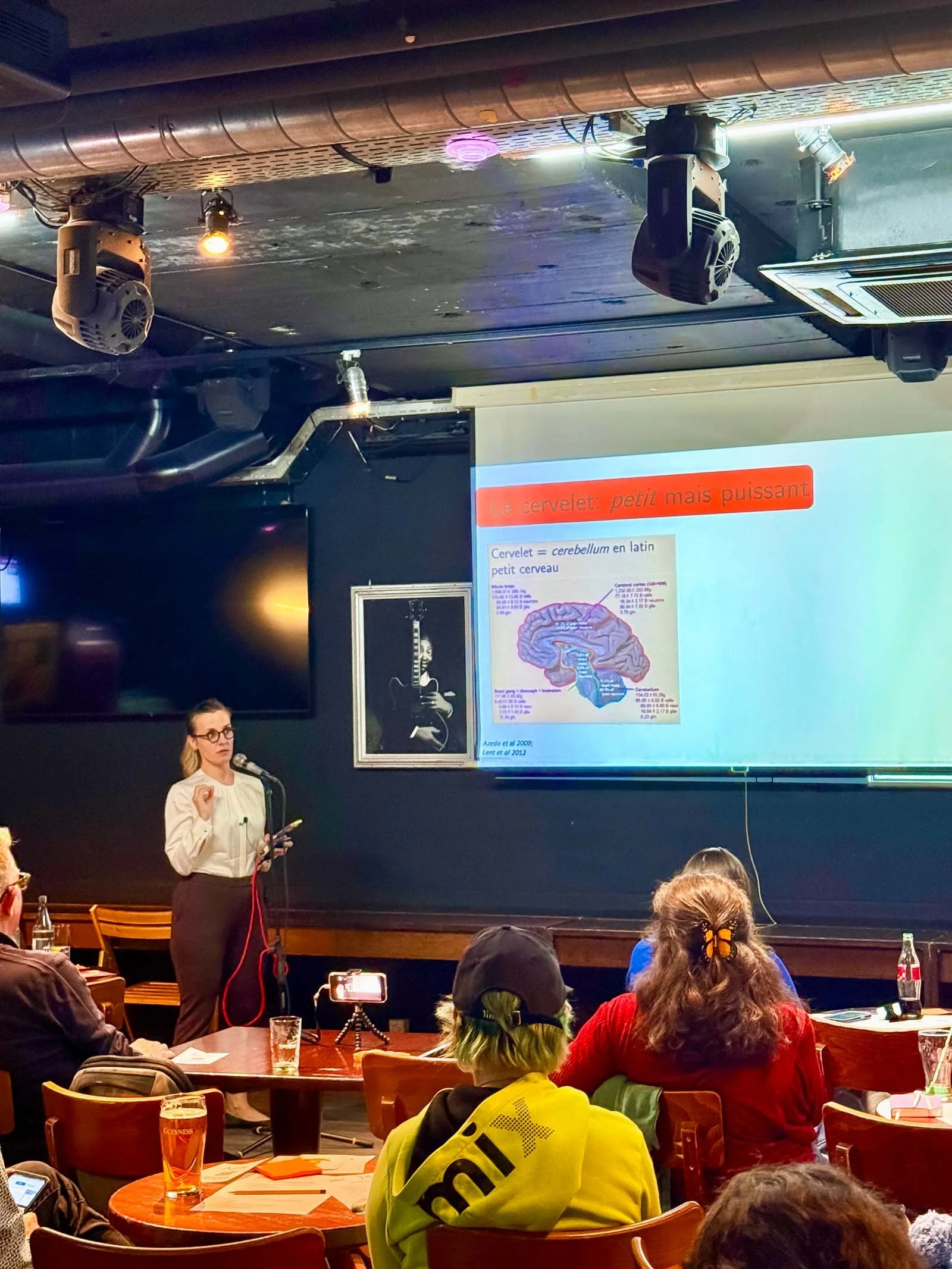
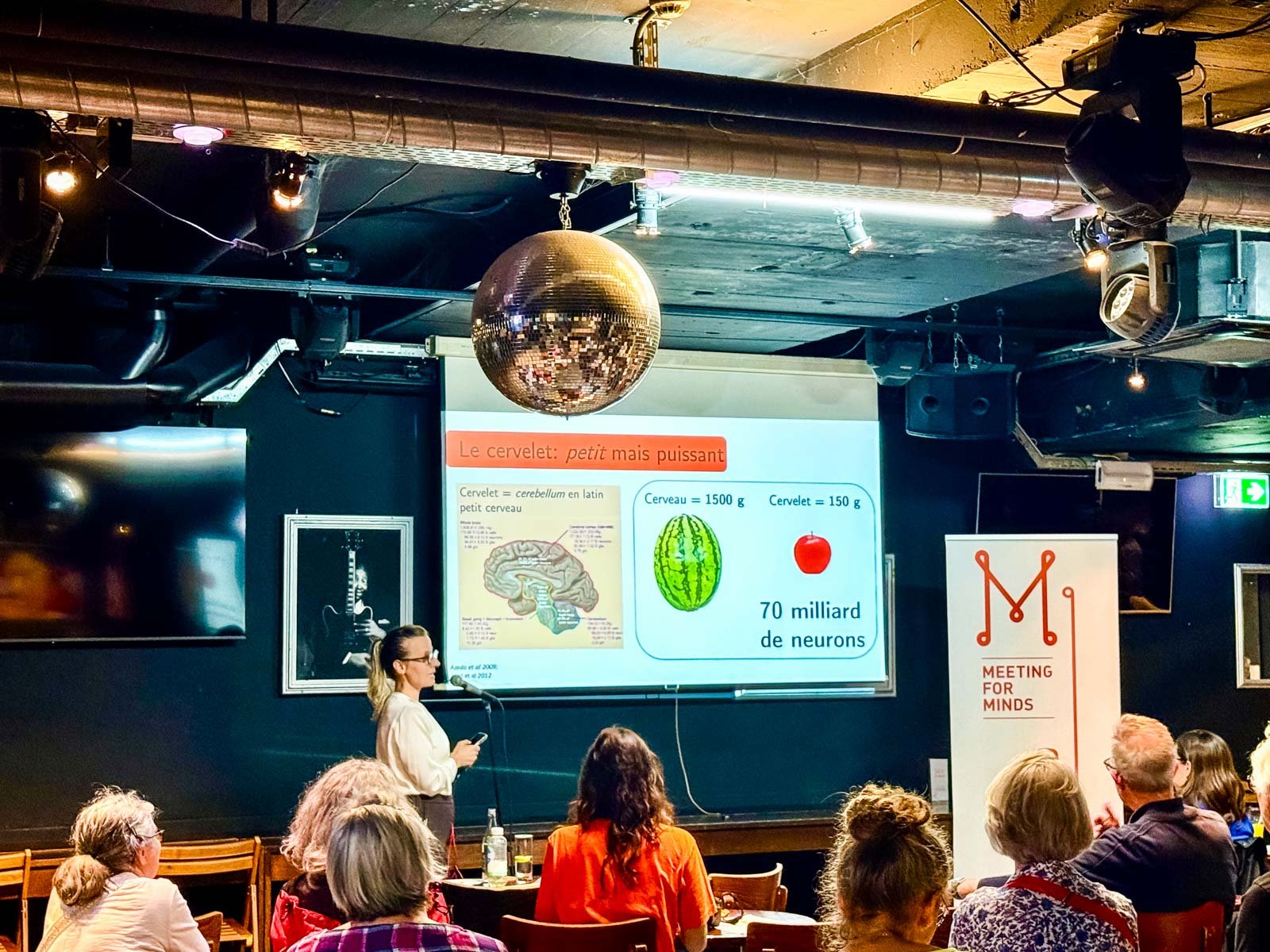
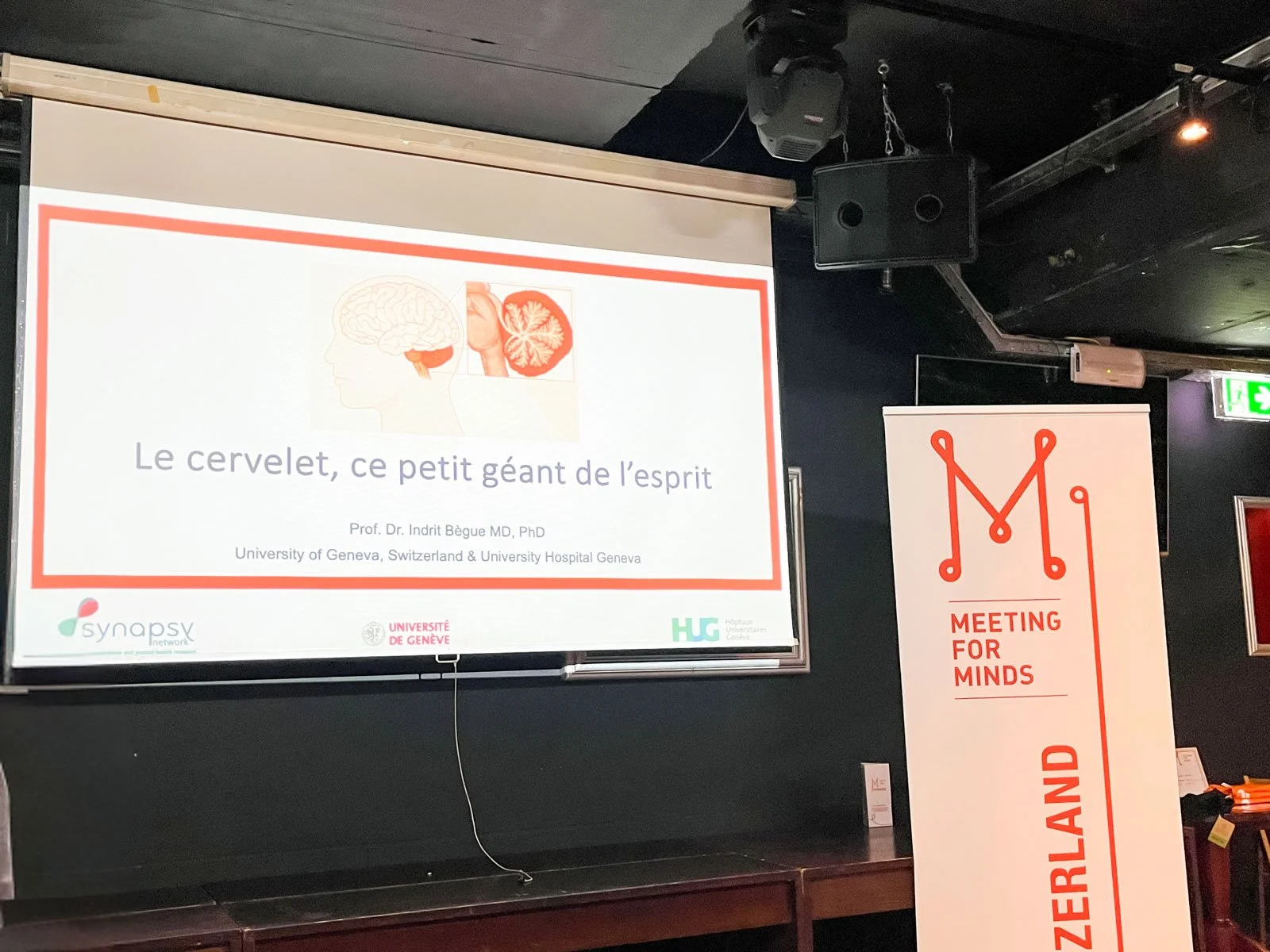
On Tuesday, 2 June, we were delighted to welcome Professor Indrit Bègue, neuroscientist and psychiatrist, to the Pickwick Pub in Geneva for our latest Café Scientifique.
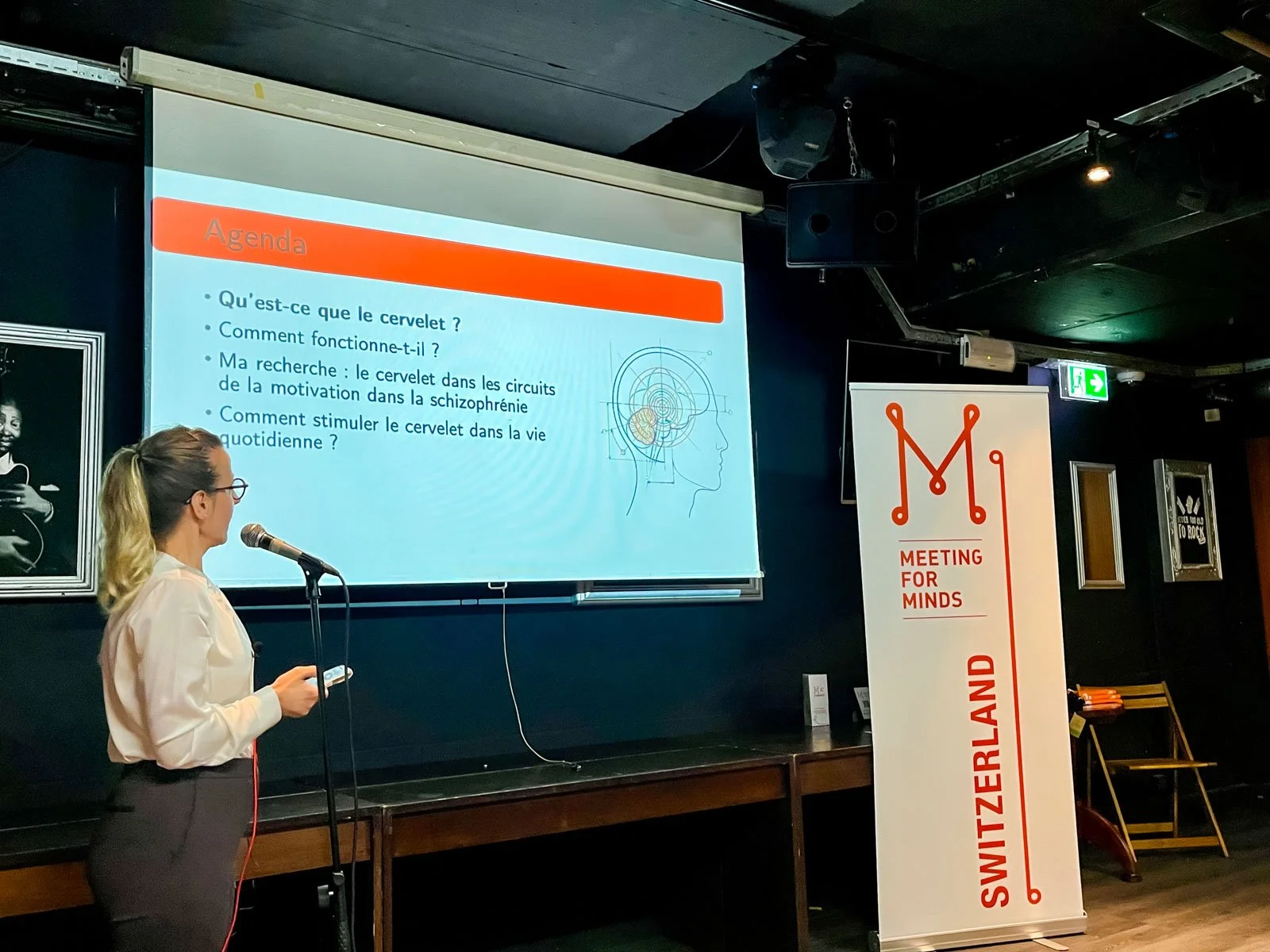
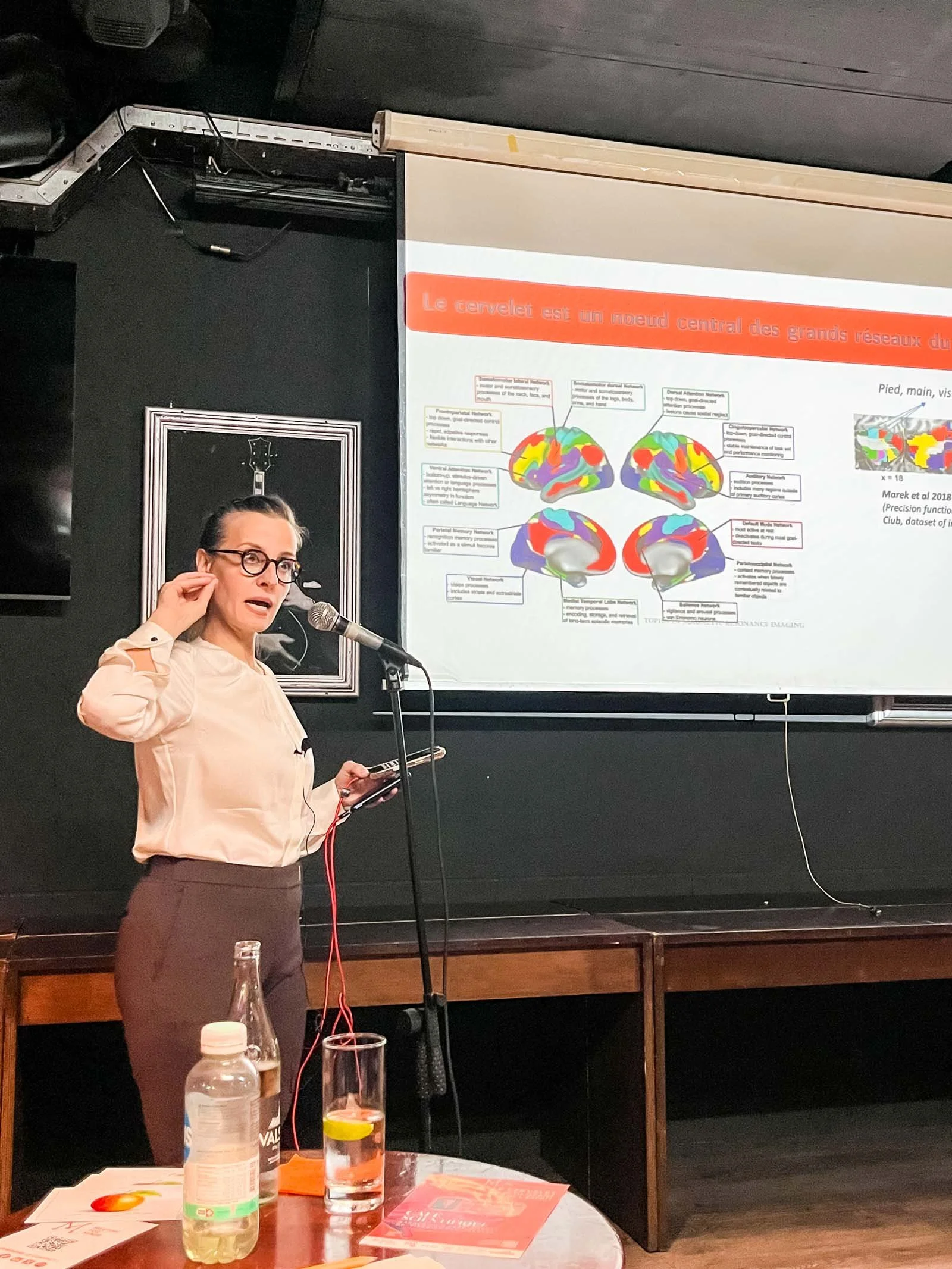
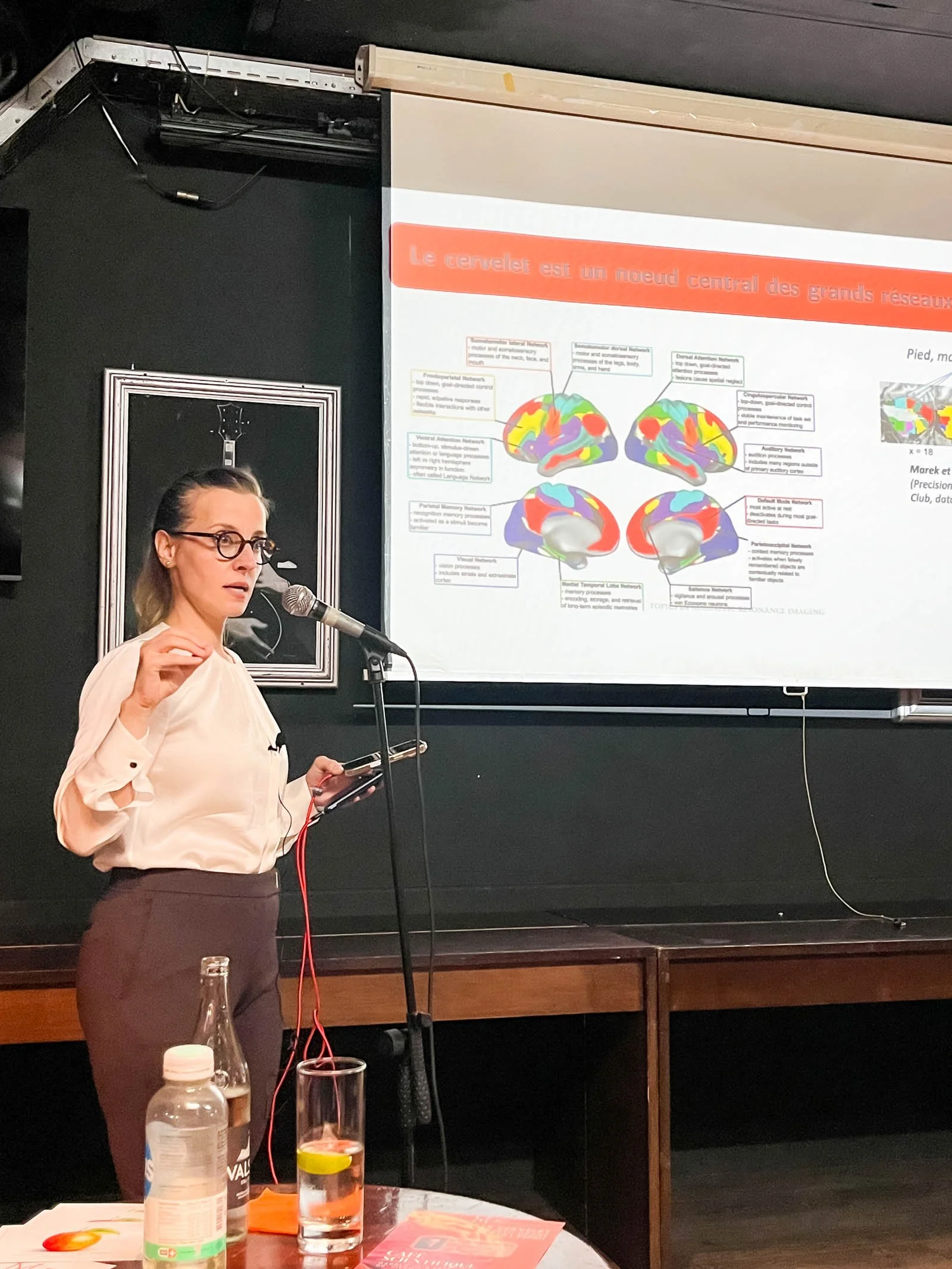
She shared her research on the role of the cerebellum in the brain’s motivation circuits, with a particular focus on schizophrenia. Remarkably dense and complex, this structure has long been underestimated in research. Once thought to be primarily responsible for movement, the cerebellum — which contains more than 80% of the brain’s neurons — also plays an important role in our cognitive and emotional functions. It appears to help shape the way we think and act.
Indrit Bègue is particularly interested in apathy, a highly disabling symptom of schizophrenia for which current treatments don’t work. Her research shows that non-invasive transcranial magnetic stimulation (rTMS) of the cerebellum could help “recalibrate” brain circuits involved in motivation and reward.
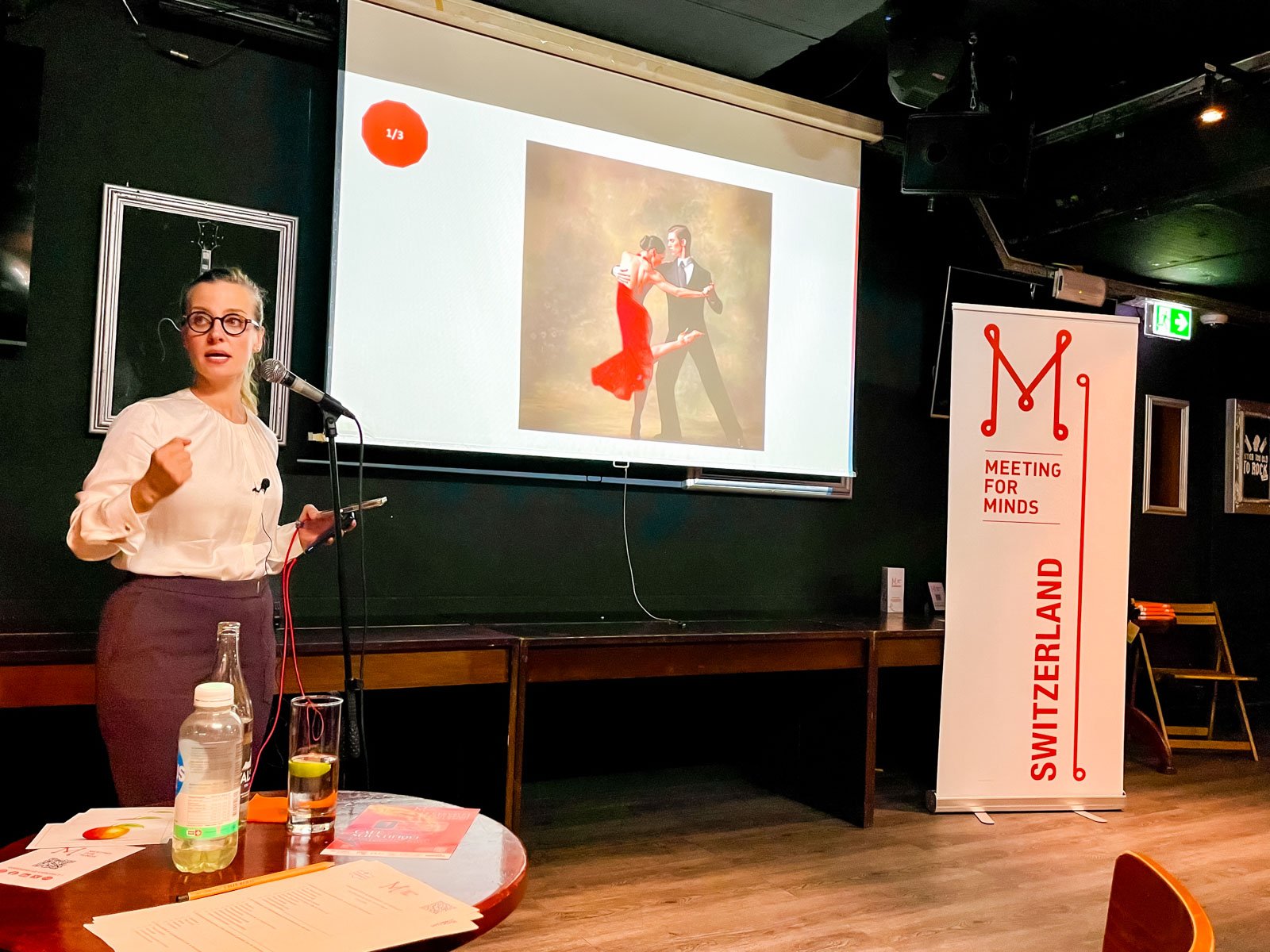
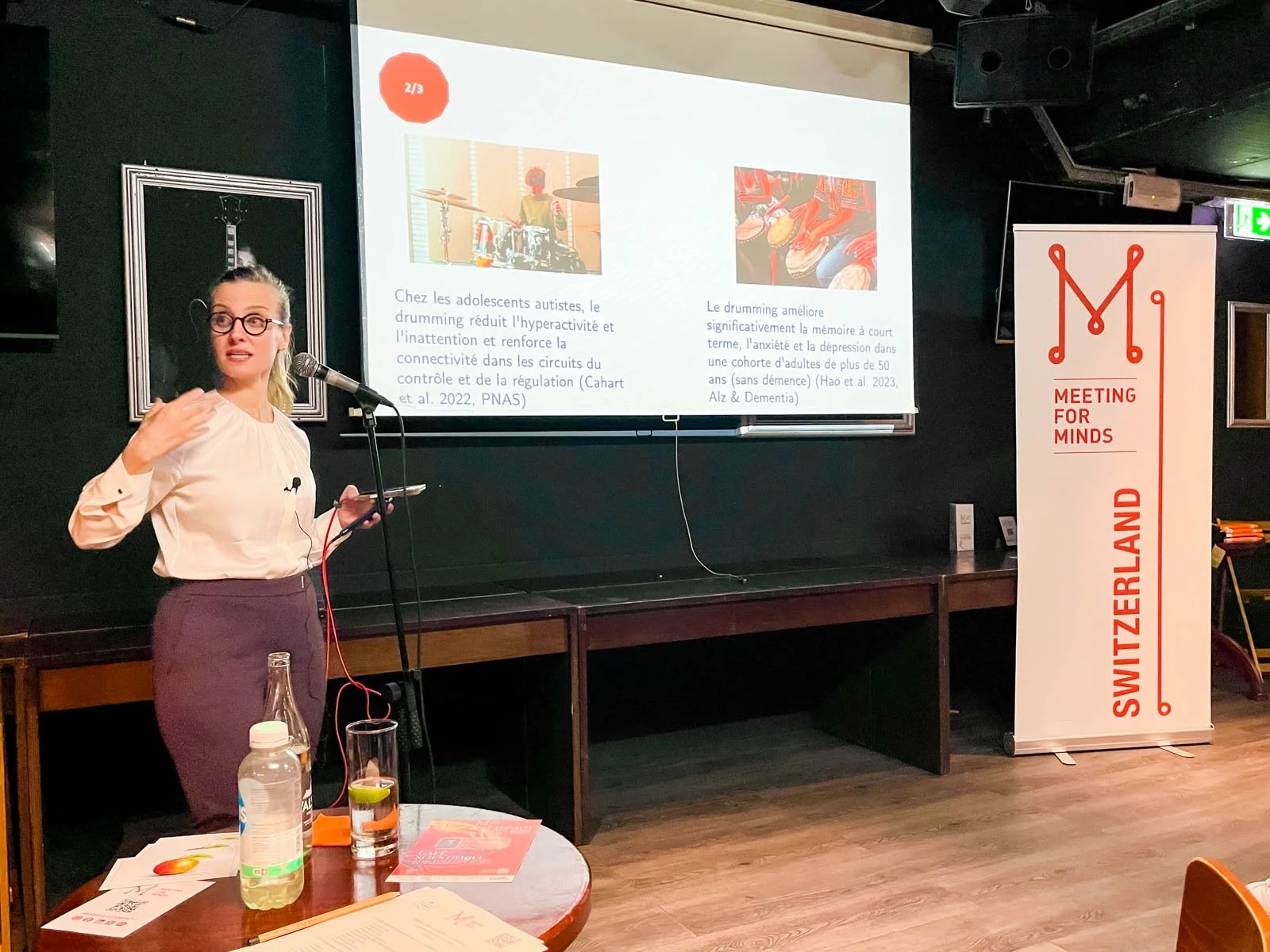
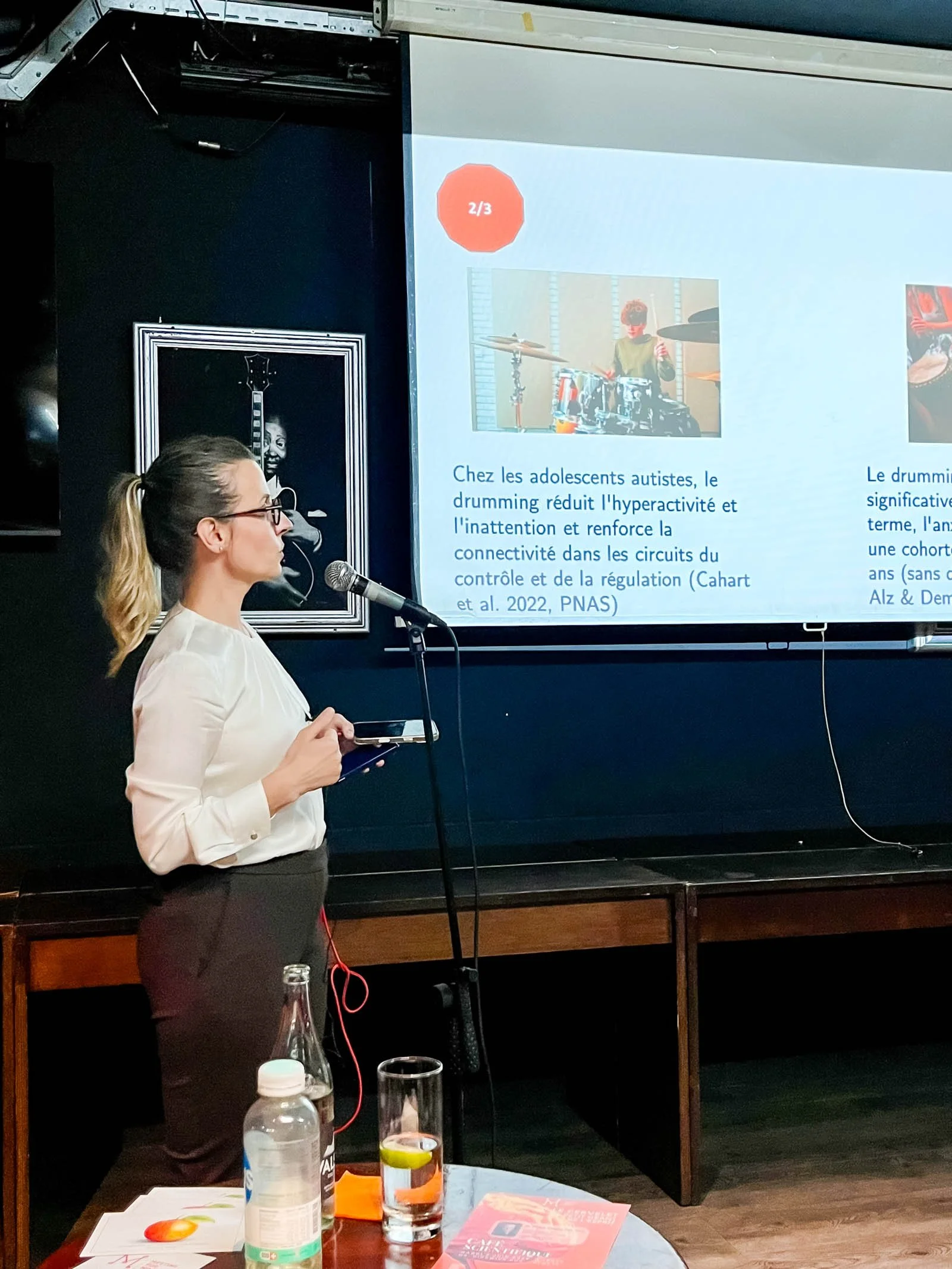
Throughout the evening, she also shared practical examples of ways to engage the cerebellum in everyday life — from tango and walking to running and yoga, as well as therapeutic approaches such as cognitive behavioural therapy (CBT).
RECAP
Café Scientifique: “The Cerebellum: The Little Giant of the Mind”
June 2, 2026
Our Café Scientifique, “The Cerebellum: The Little Giant of the Mind”, was a great success!
Watch the replay of Professor Indrit Bègue’s presentation from our latest Café Scientifique and discover why the cerebellum is such a remarkable brain structure. You may even become a cerebellum enthusiast yourself! Along the way, you’ll pick up simple, practical tips that you can incorporate into your daily life.
Topics explored during the evening:
● What is the cerebellum?
● How does it work?
● Her current research: The cerebellum and motivation circuits in schizophrenia
● What inspired Professor Bègue to focus on this brain structure?
● What are the future perspectives and hopes for people living with schizophrenia who experience symptoms of apathy?
● How can we stimulate the cerebellum in daily life?
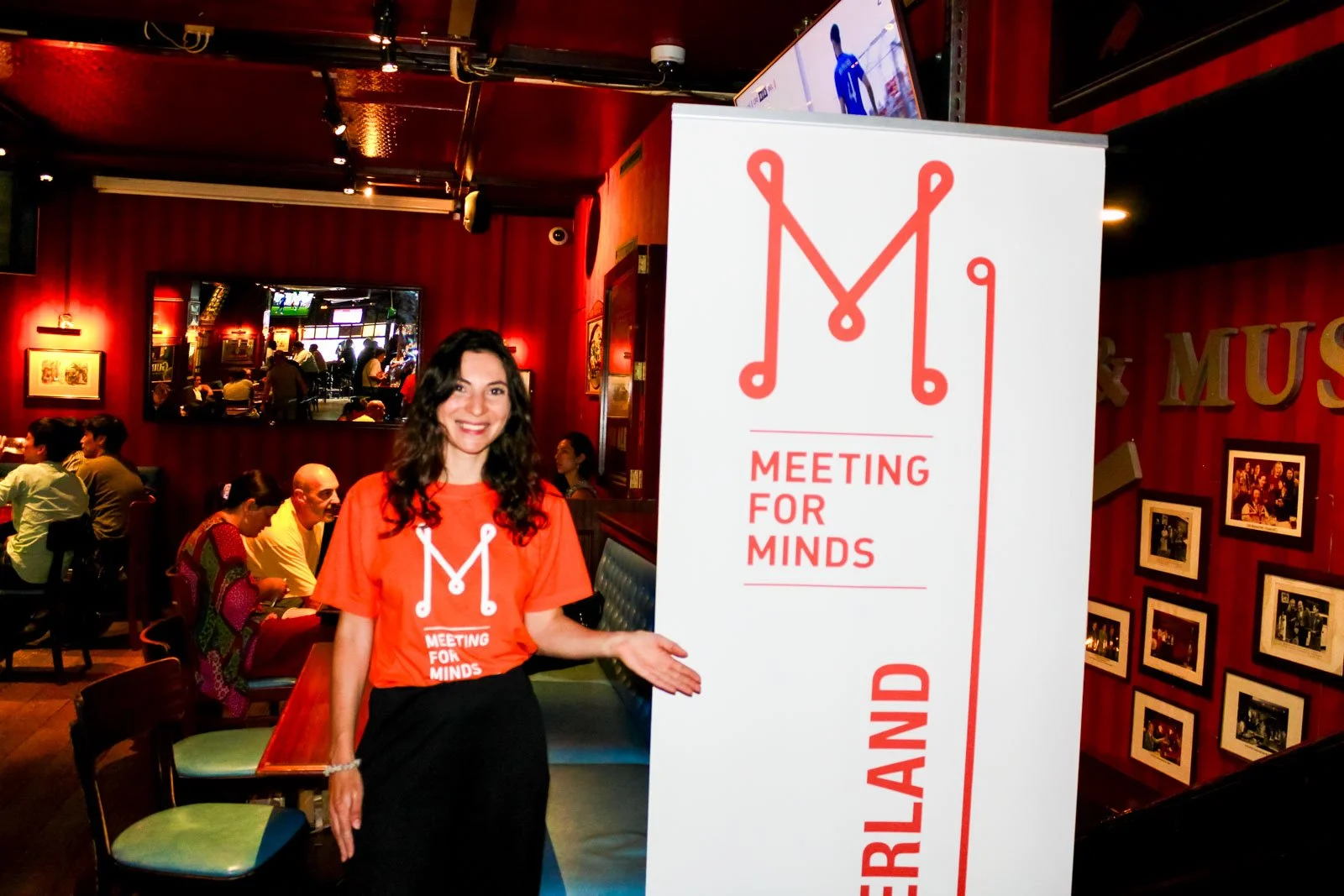
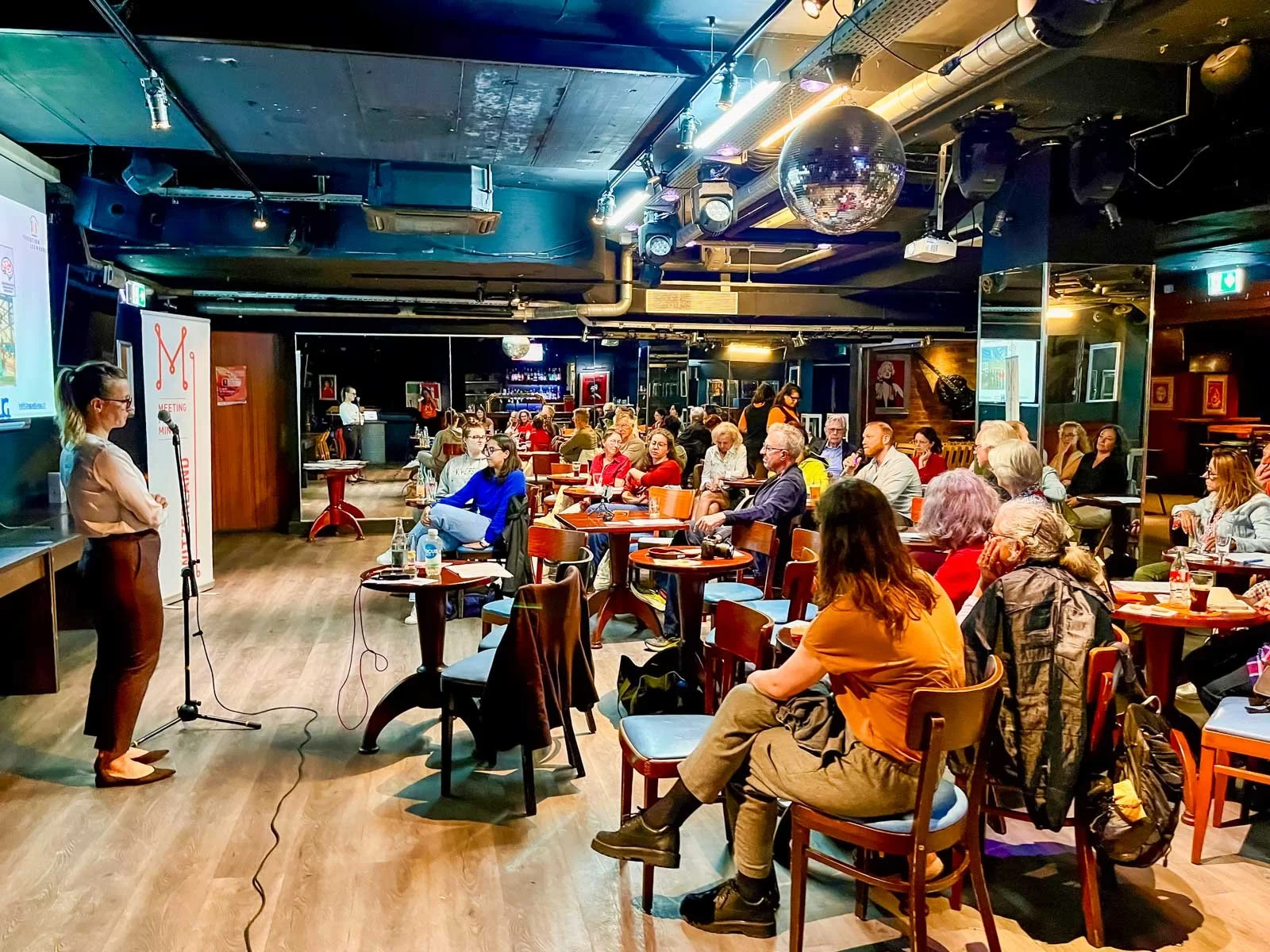
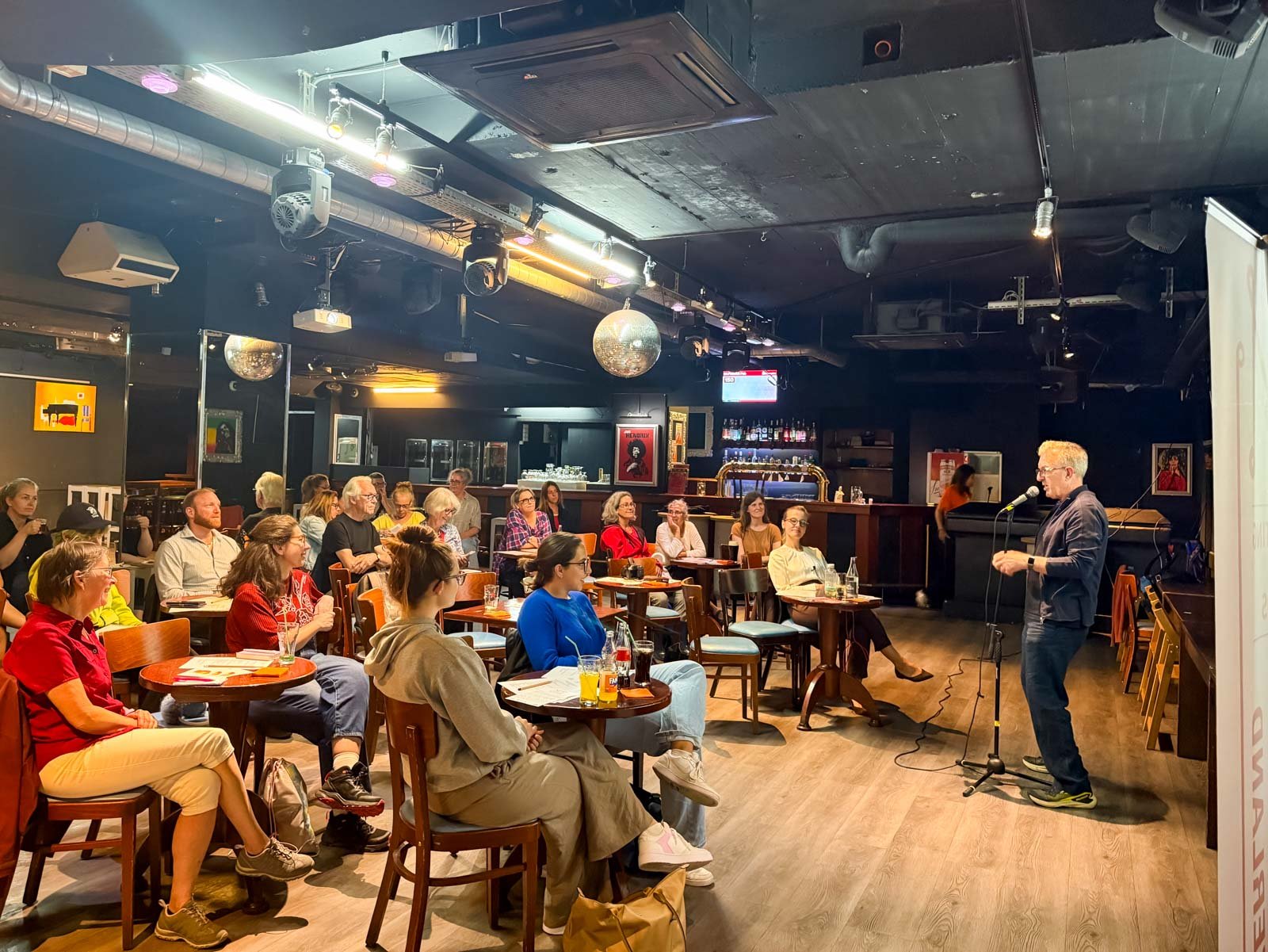
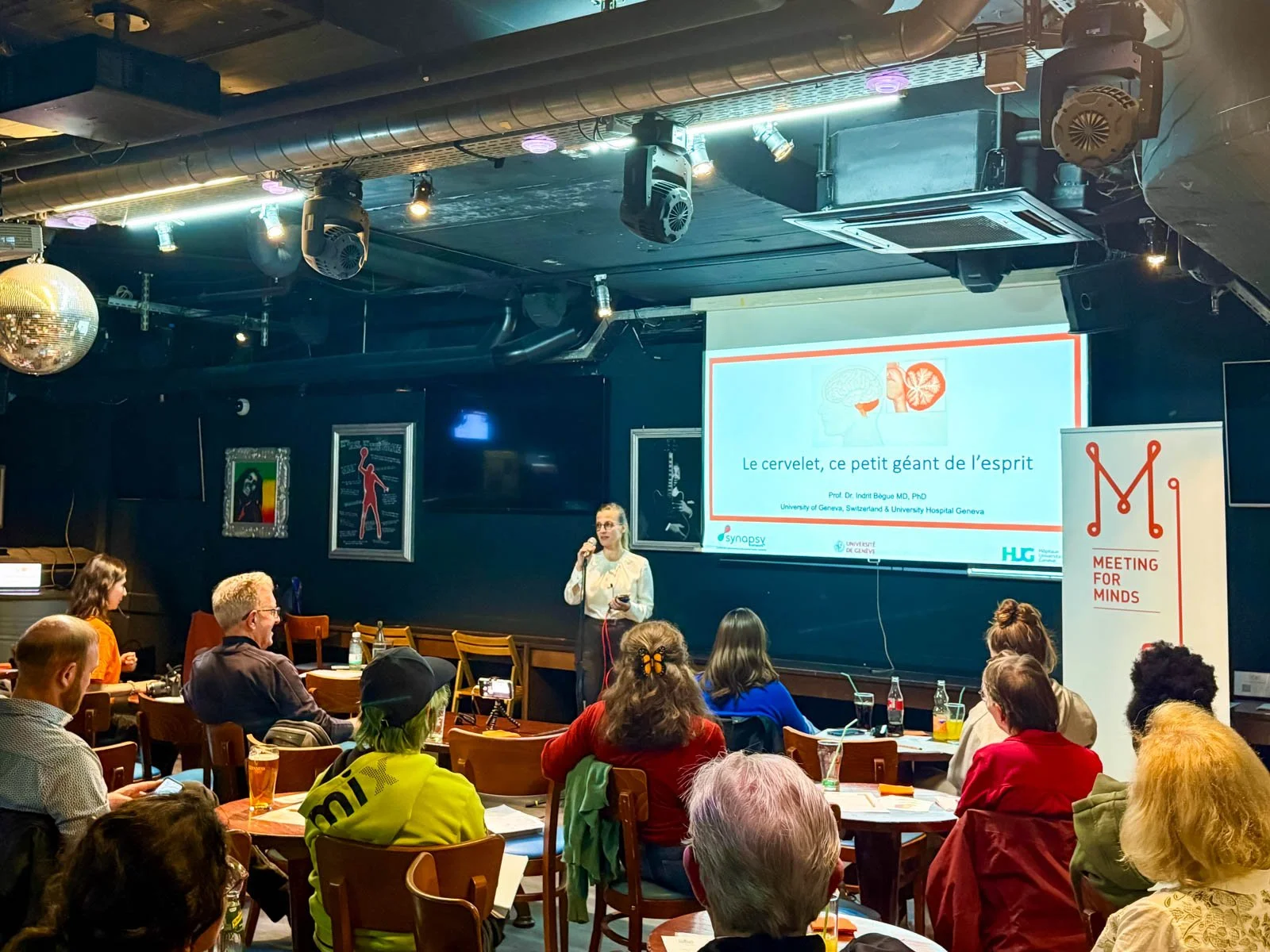
Our Café Scientifique, “The Cerebellum: The Little Giant of the Mind”, brought together an engaged and diverse audience in a casual atmosphere!
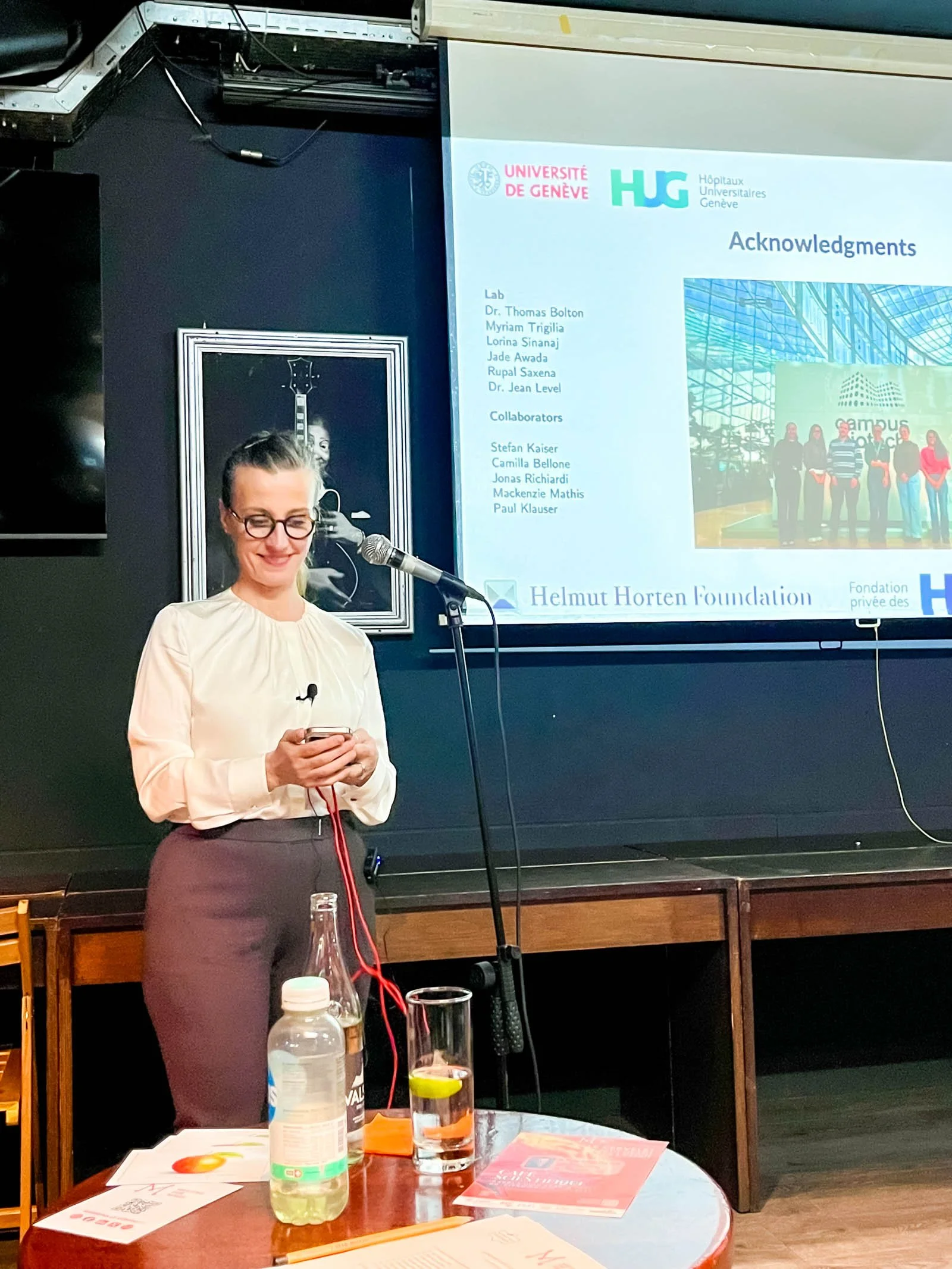
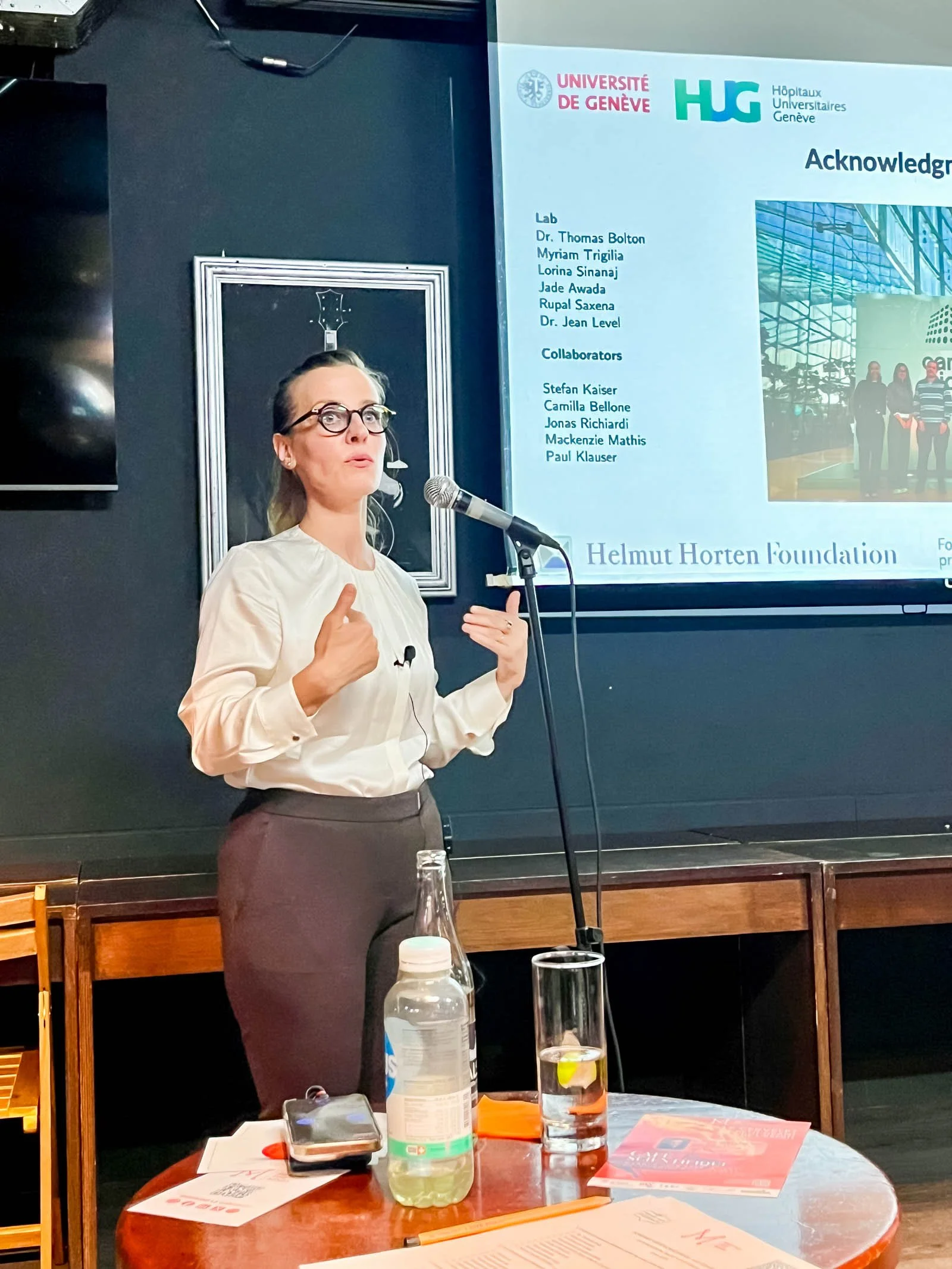
Professor Indrit Bègue delivered an accessible and engaging talk, bringing this fascinating topic to life through concrete examples, visuals, and animations. Despite the heavy storm outside, the room was filled with curious and enthusiastic participants.
We were delighted to welcome a diverse audience, including People with Lived EXperience of mental illness (PLEX), family caregivers, healthcare professionals, and students.
A warm thank you to our partners — SYNAPSY (University of Geneva), Coraasp, and Brain Awareness week — for helping us promote this event.
Special thanks as well to Mr Pickwick Pub for their warm hospitality. Participants greatly appreciated the venue, and we look forward to hosting future Café Scientifique there.
The evening concluded with an open discussion where participants had the opportunity to connect directly with the researcher, ask questions, and continue the conversation in an informal and welcoming atmosphere.
This enthusiasm also translated into several new registrations for our SYNERGIES programme, which brings together researchers and PLEX through regular meetings designed to foster meaningful, mutual exchange.
A few images
Geneva-based peer and community organisations that welcomed us — Intersection & Centre Espoir
People with lived experience as well as professionals from Centre Espoir and Intersection, the day centre of Fondation TRAJET, joined us for the evening — and we warmly thank them for their presence, interest, and engagement.
Ahead of the event, they welcomed us on two occasions to introduce both the Café Scientifique and the SYNERGIES programme to members of their communities. These exchanges helped create valuable bridges between research and lived experience.
The work they carry out every day strongly resonates with the values promoted by Meeting for Minds and with the scientific insights shared during the event. By creating spaces that strengthen social connection, creativity, participation, and confidence, they contribute to essential dimensions of wellbeing — and, as Professor Bègue highlighted during her talk, they may also help stimulate both the cerebellum and the brain’s reward system.