2 June 2026
Notre Café Scientifique à Genève en collaboration avec SYNAPSY a été un succès !
Découvrez en Replay la présentation de la Pre Indrit Bègue à notre dernier Café Scientifique et devenez aussi des fans du cervelet ! Découvrez des astuces simples à appliquer dans votre quotidien.
Qu’est-ce que le cervelet ?
Comment fonctionne-t-il ?
Pourquoi la Pr Bègue s’est intéressée à cette structure ?
Quels sont les espoirs pour les personnes vivant avec une schizophrénie et confrontées à des symptômes d’apathie ?
Comment stimuler le cervelet dans la vie quotidienne ?
Sa recherche: Le cervelet dans les circuits de la motivation dans la schizophrénie
Visionnez le Replay
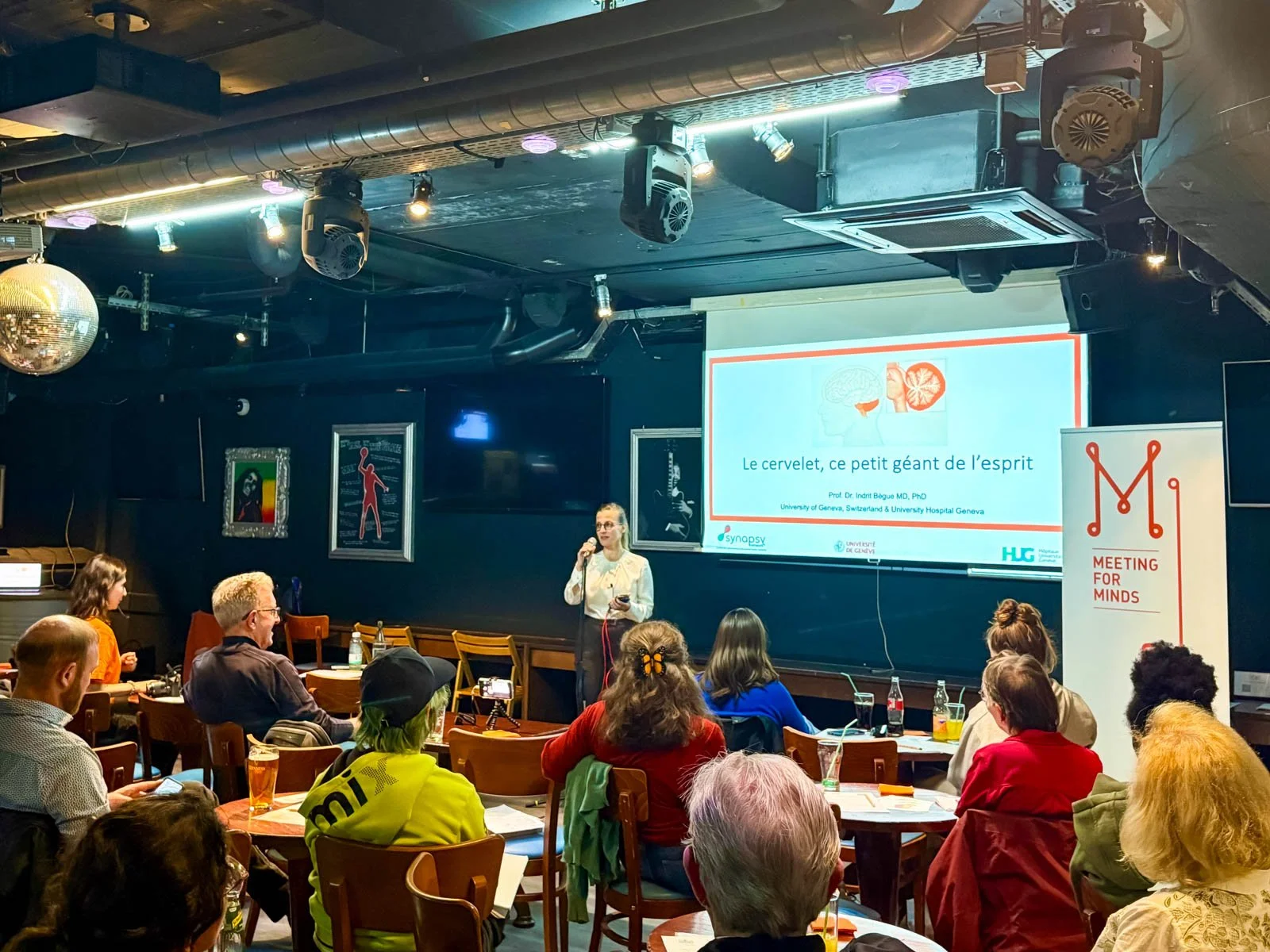
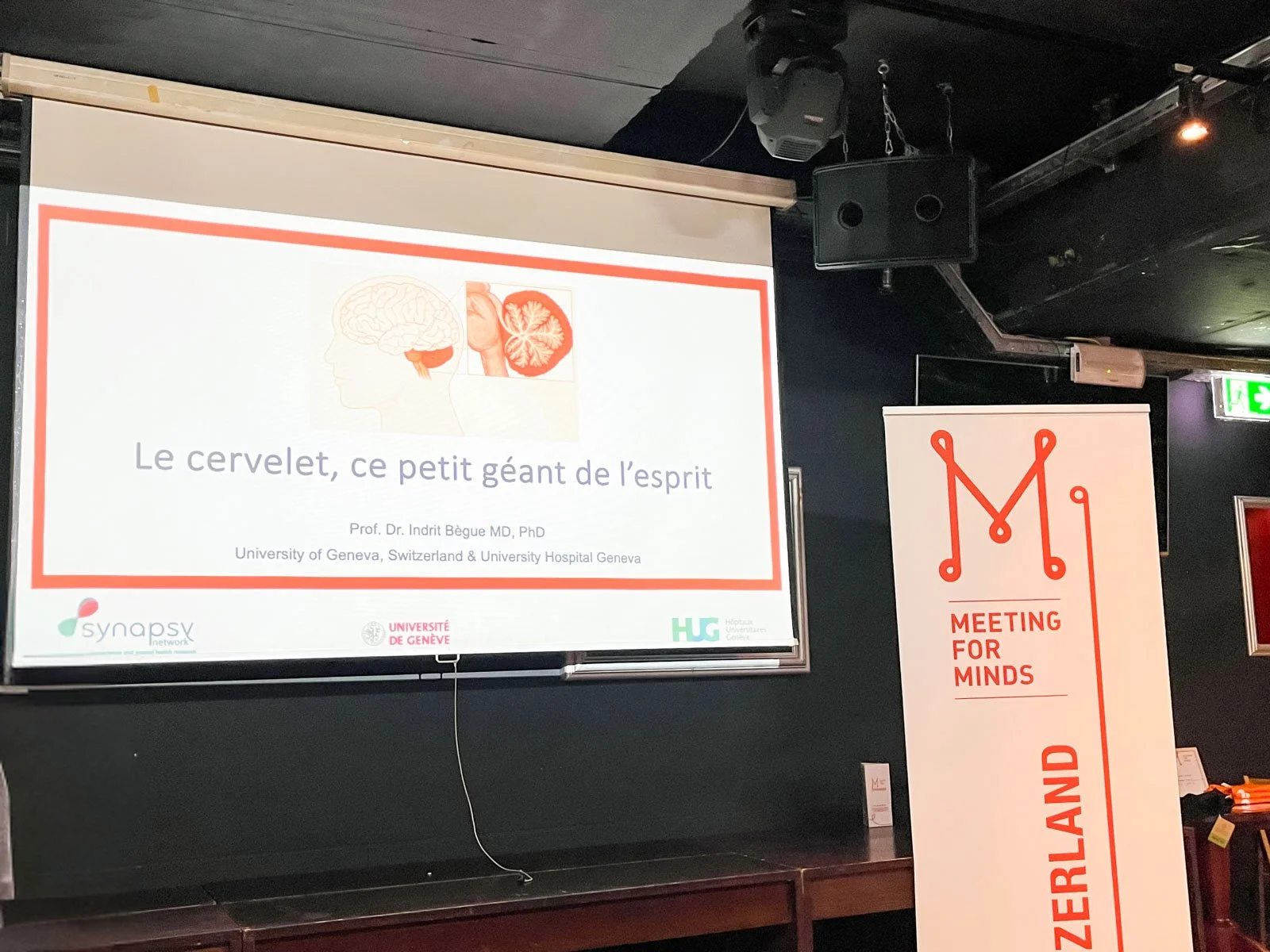
Le Café Scientifique « Le Cervelet, ce petit géant de l’esprit » a été un très beau succès !
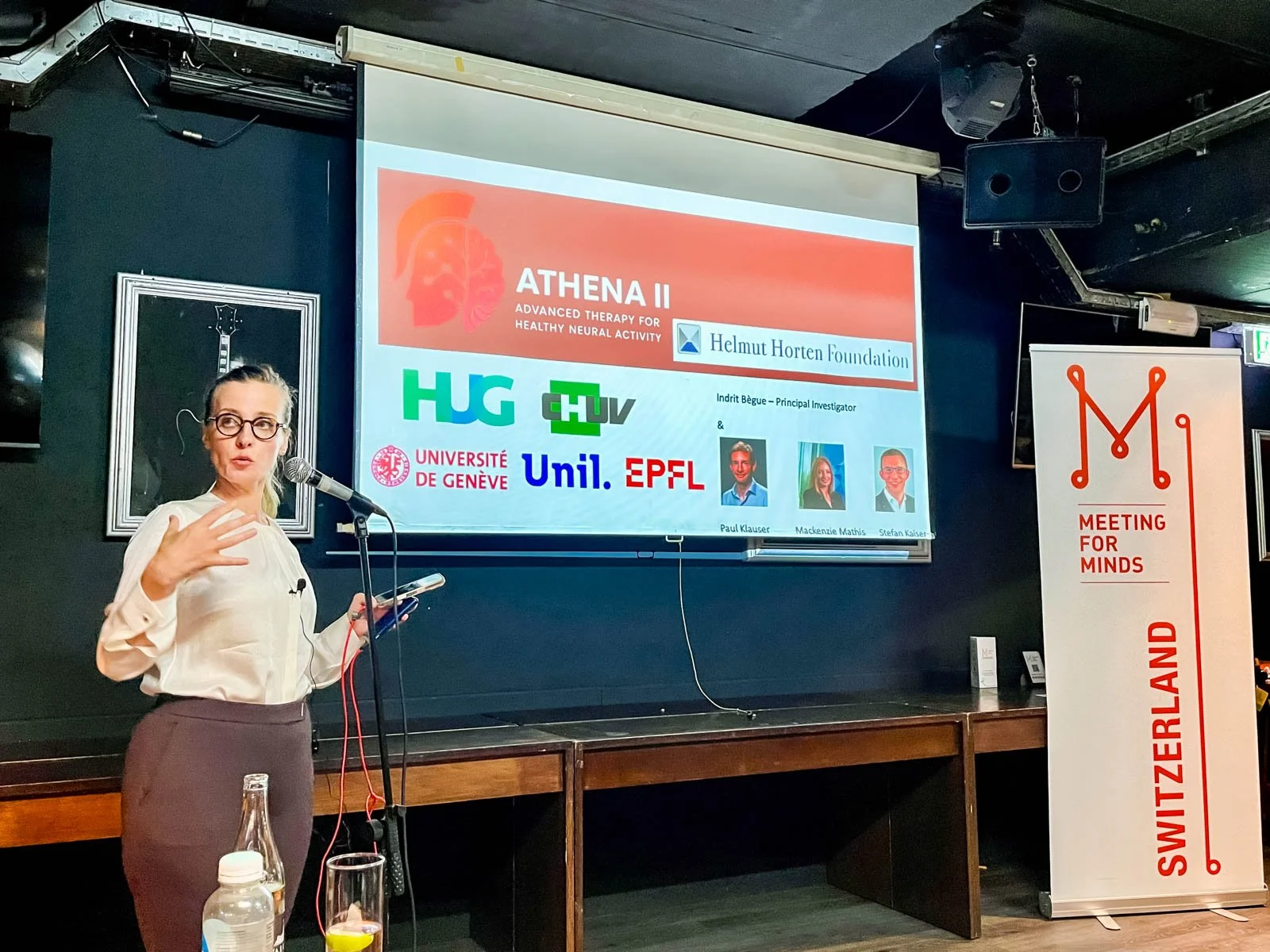
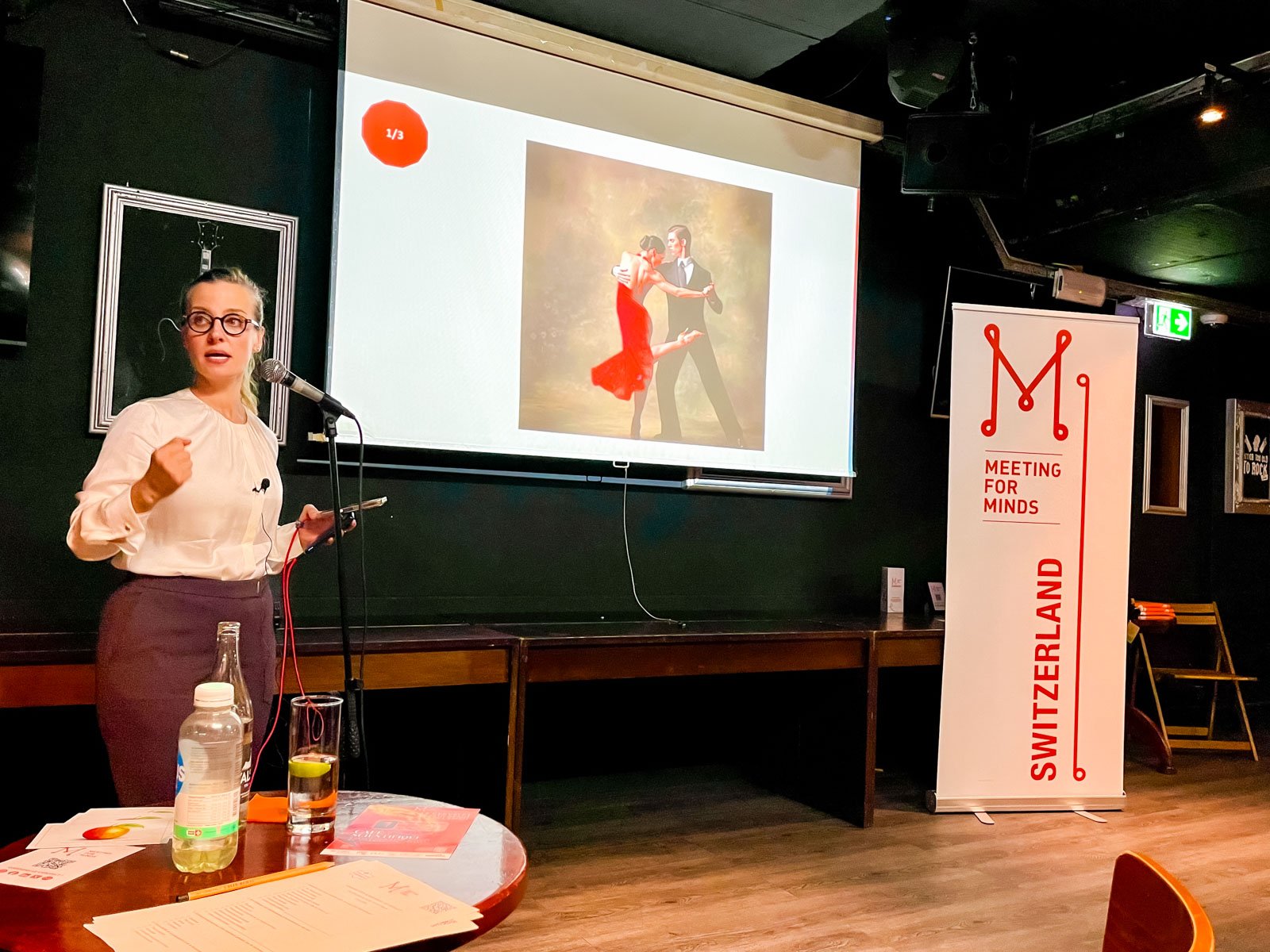
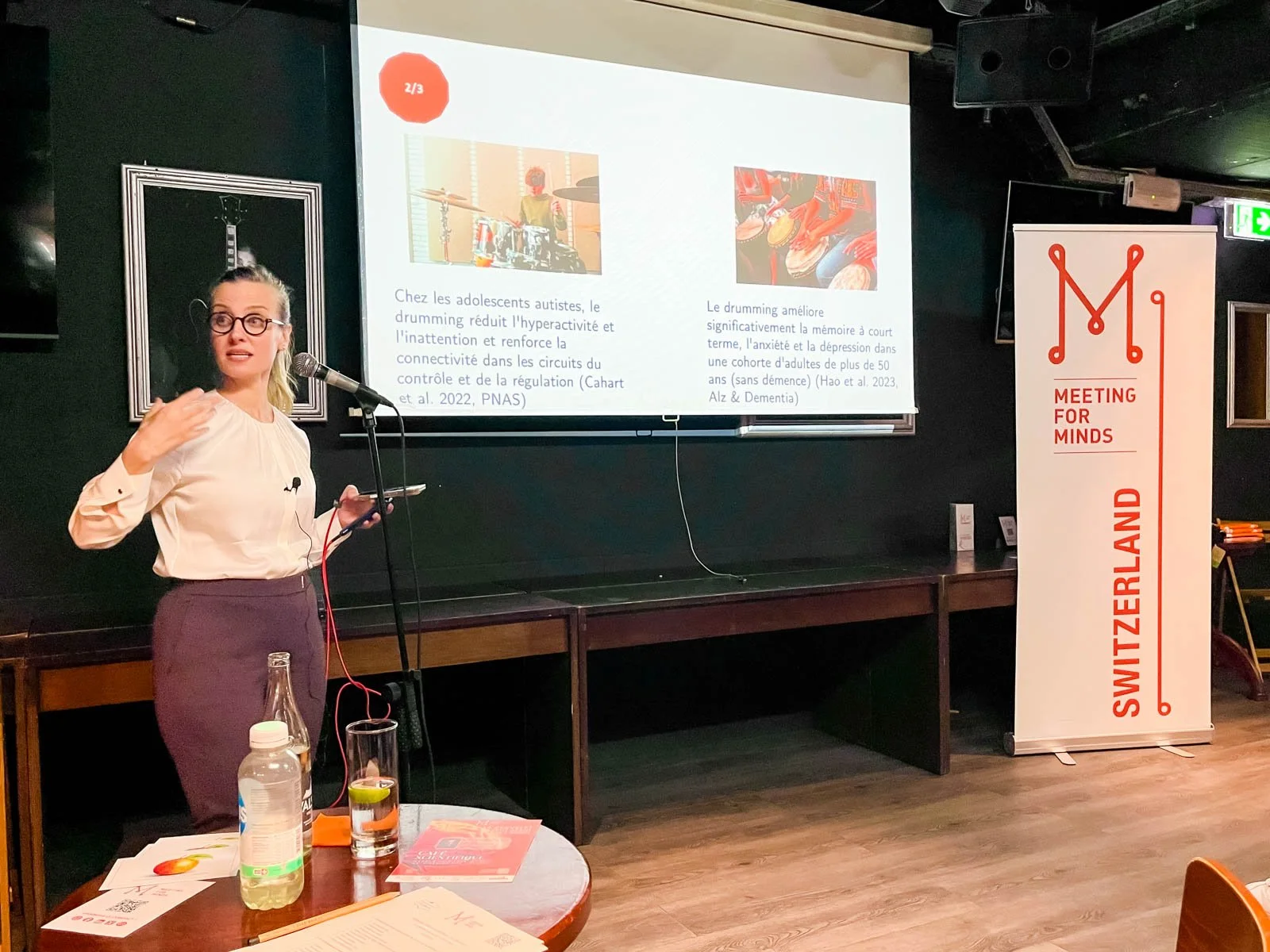
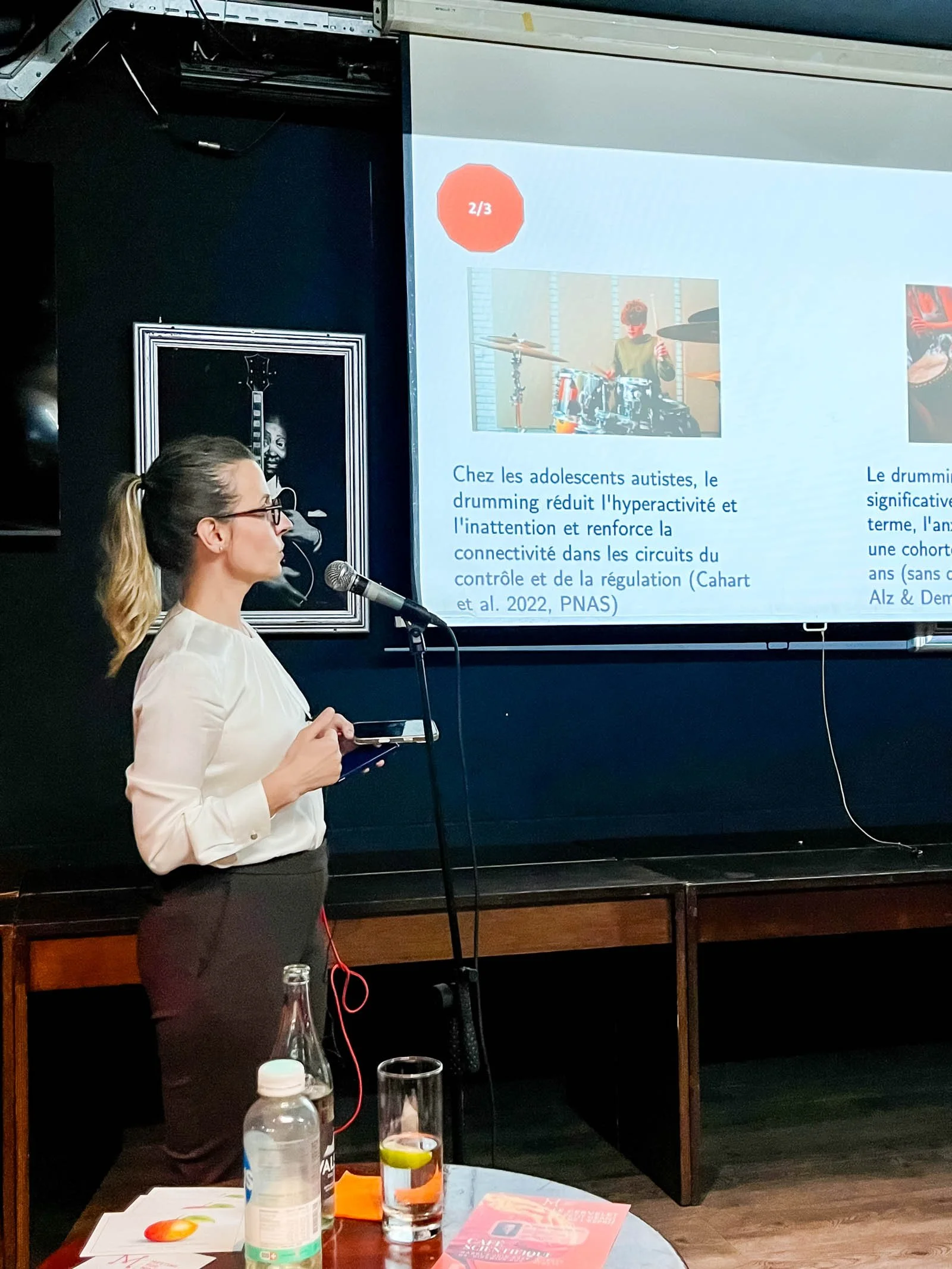
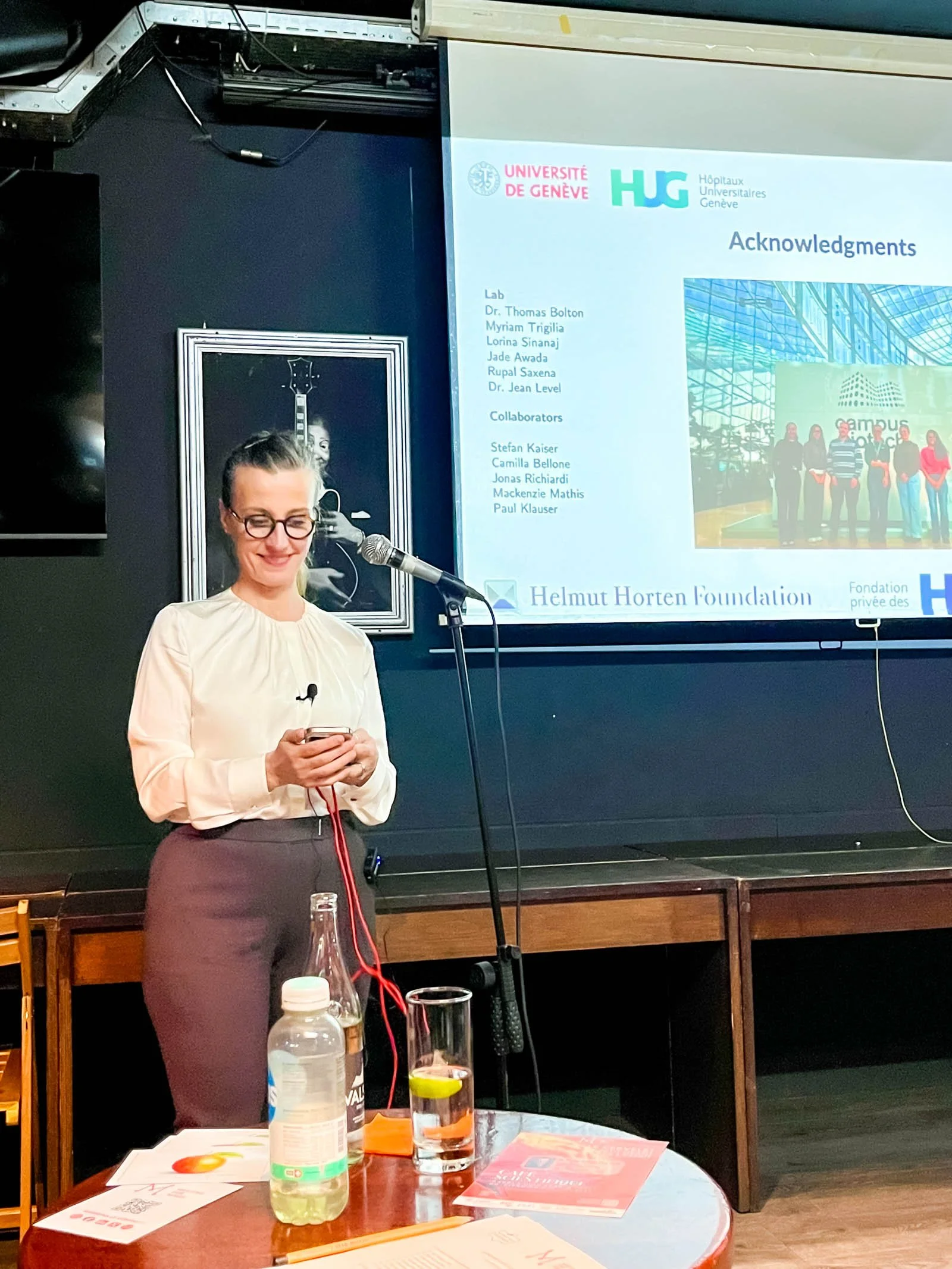
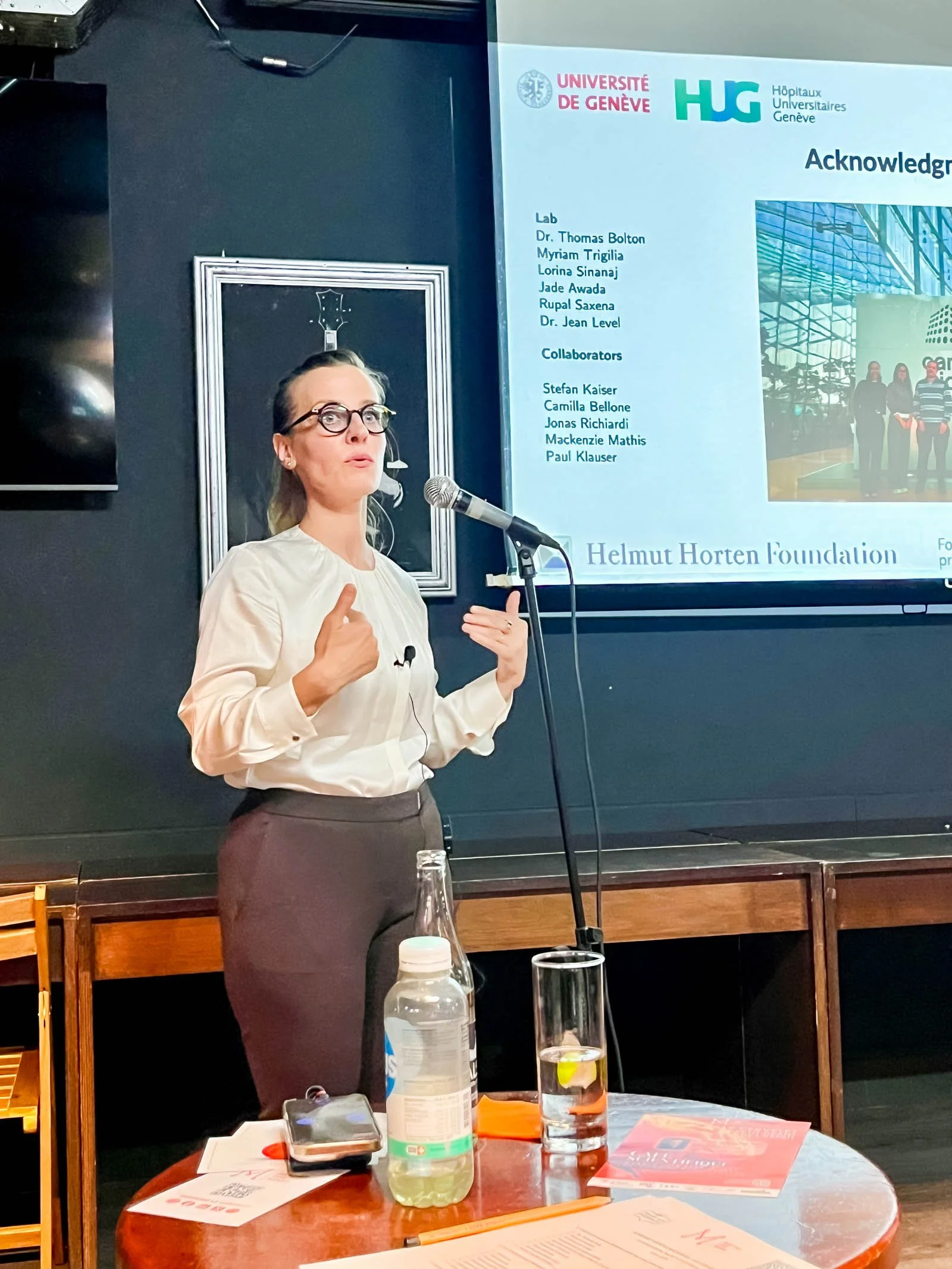
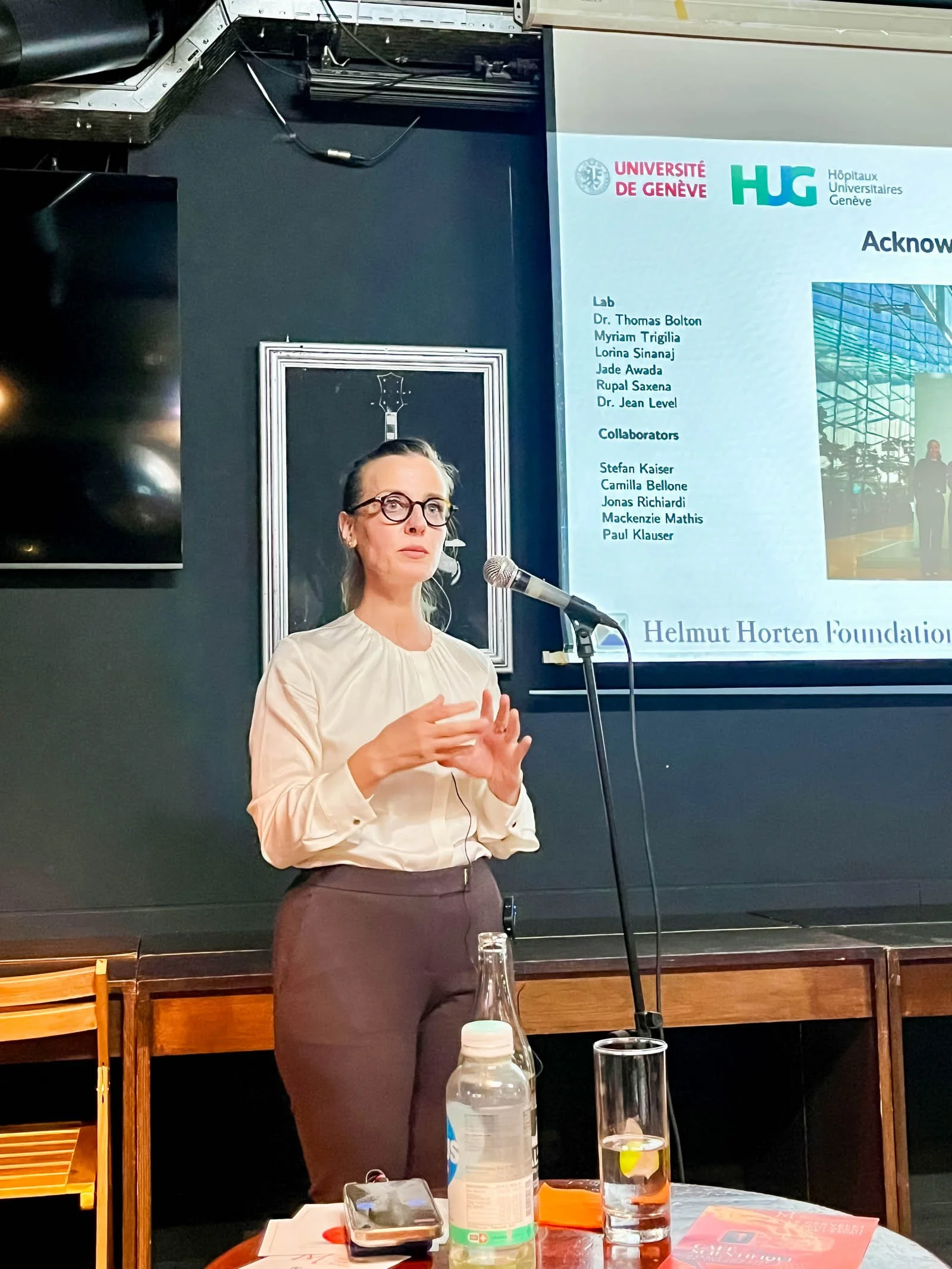
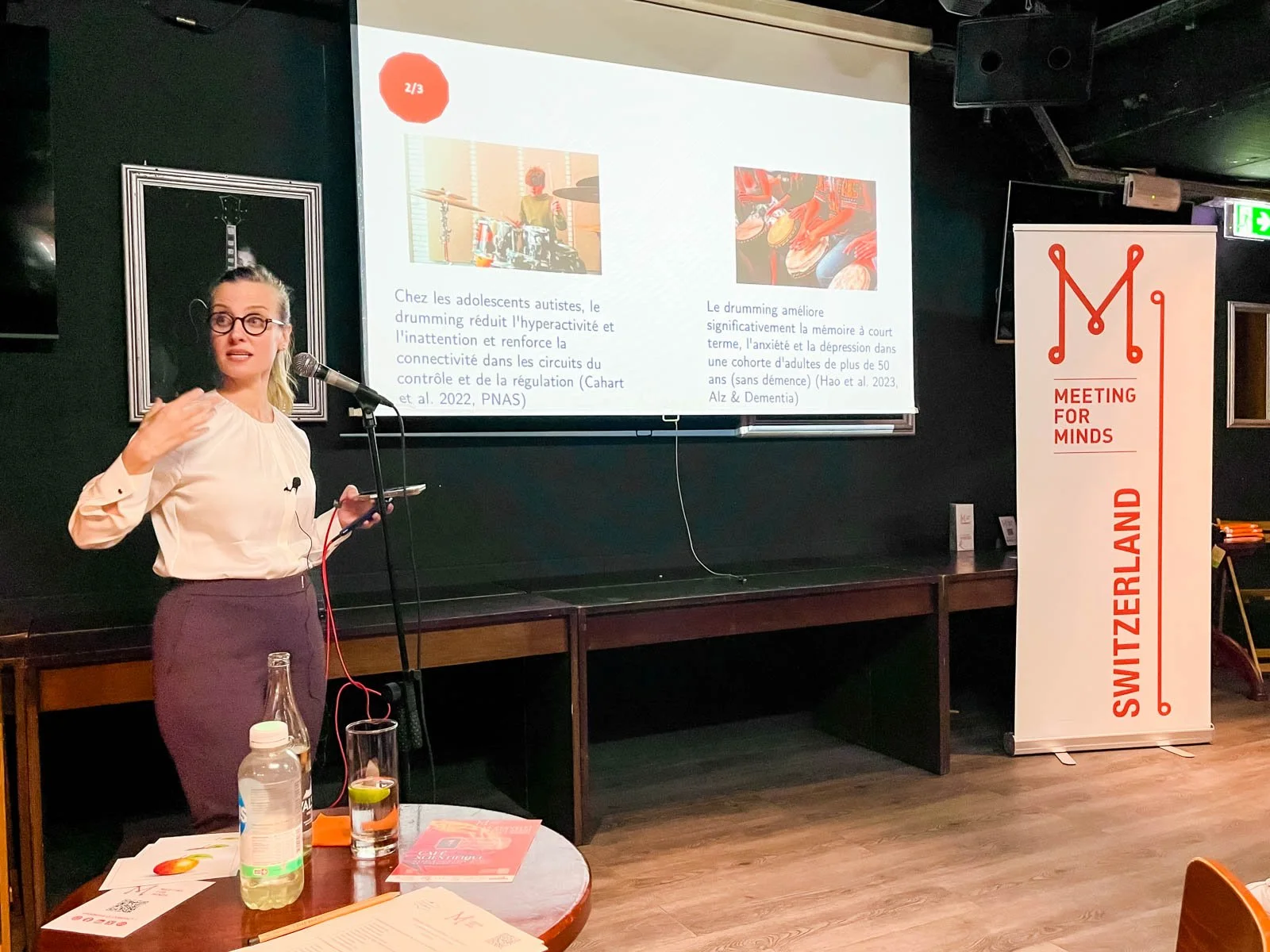
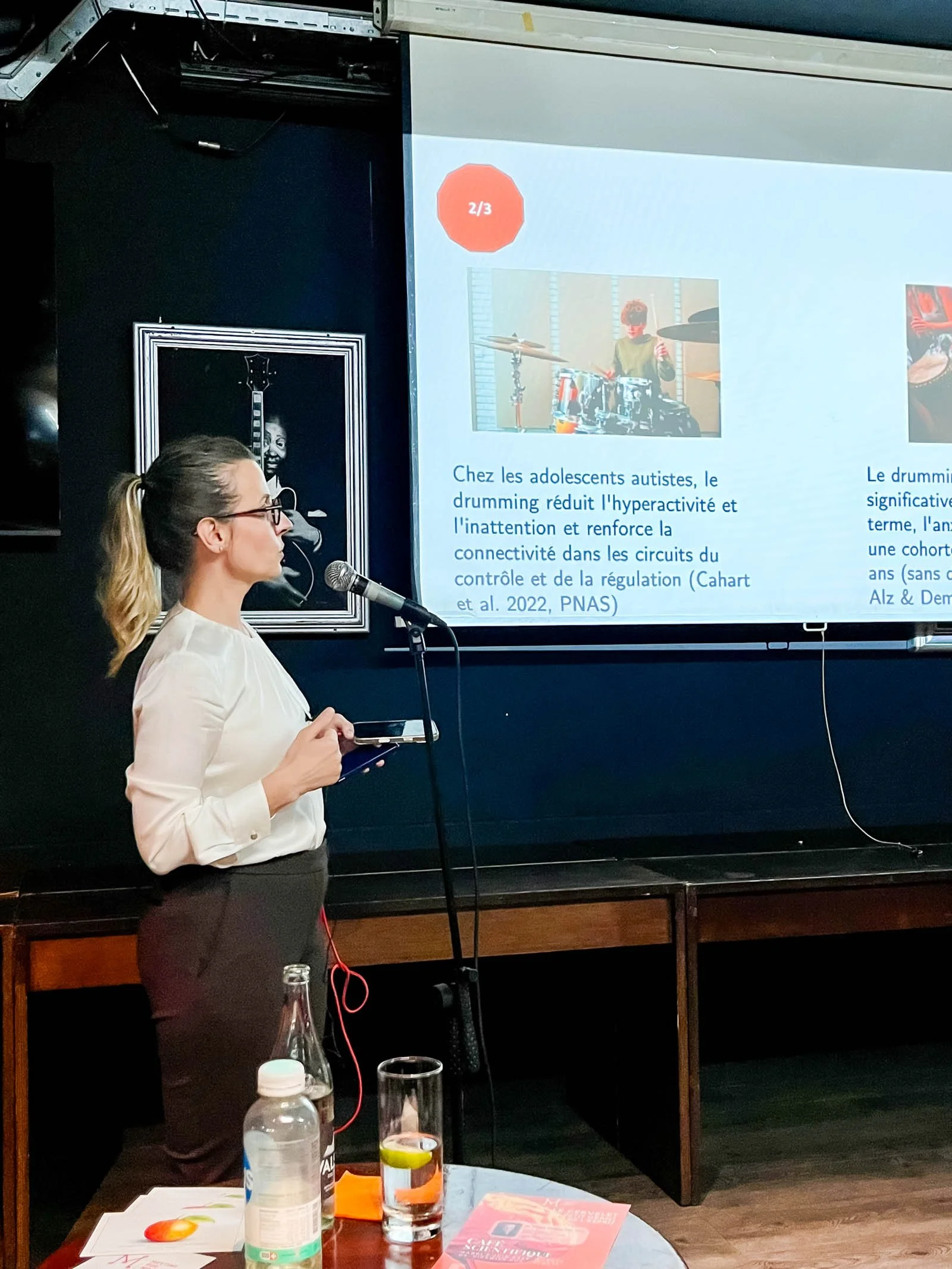
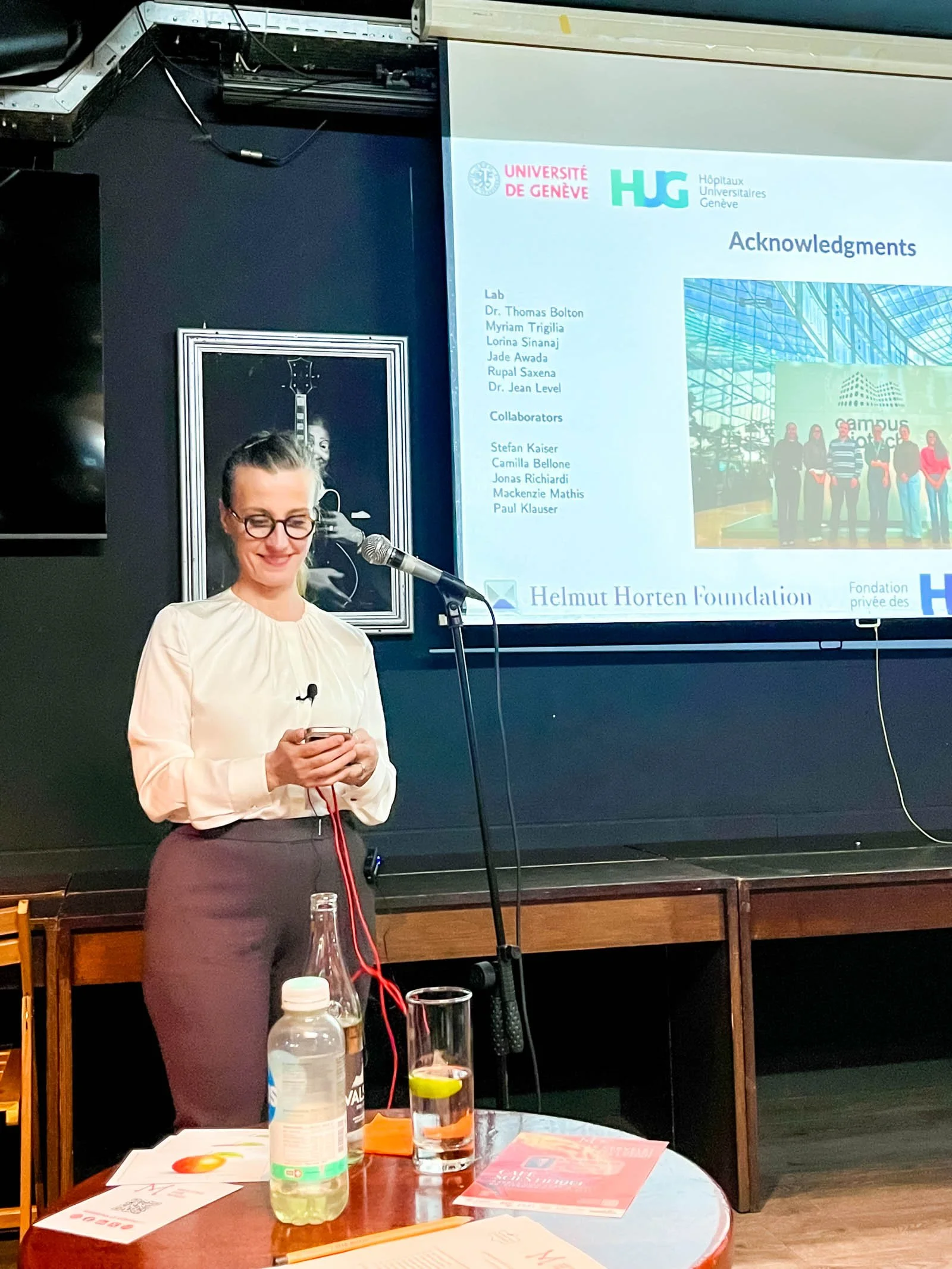
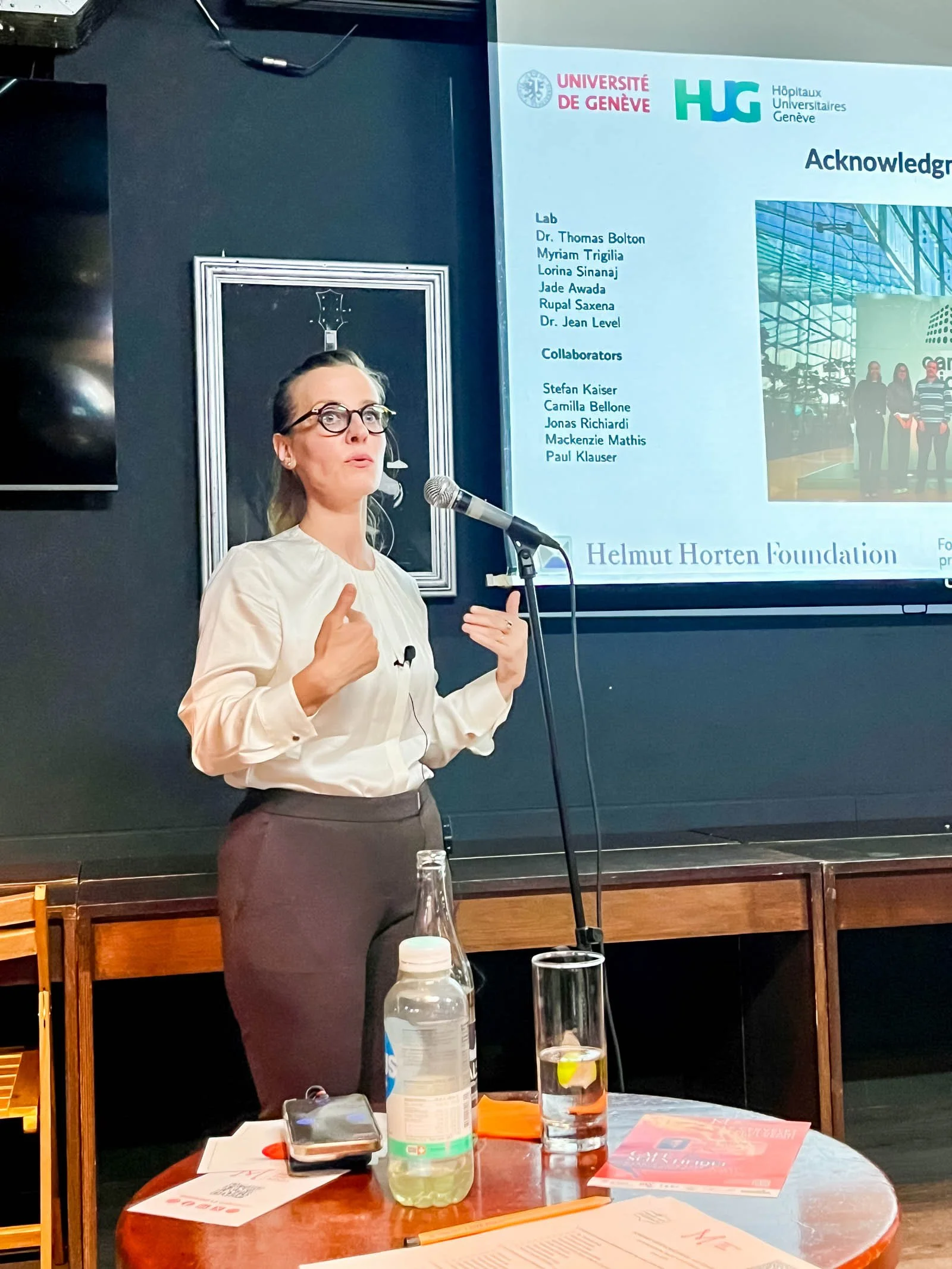
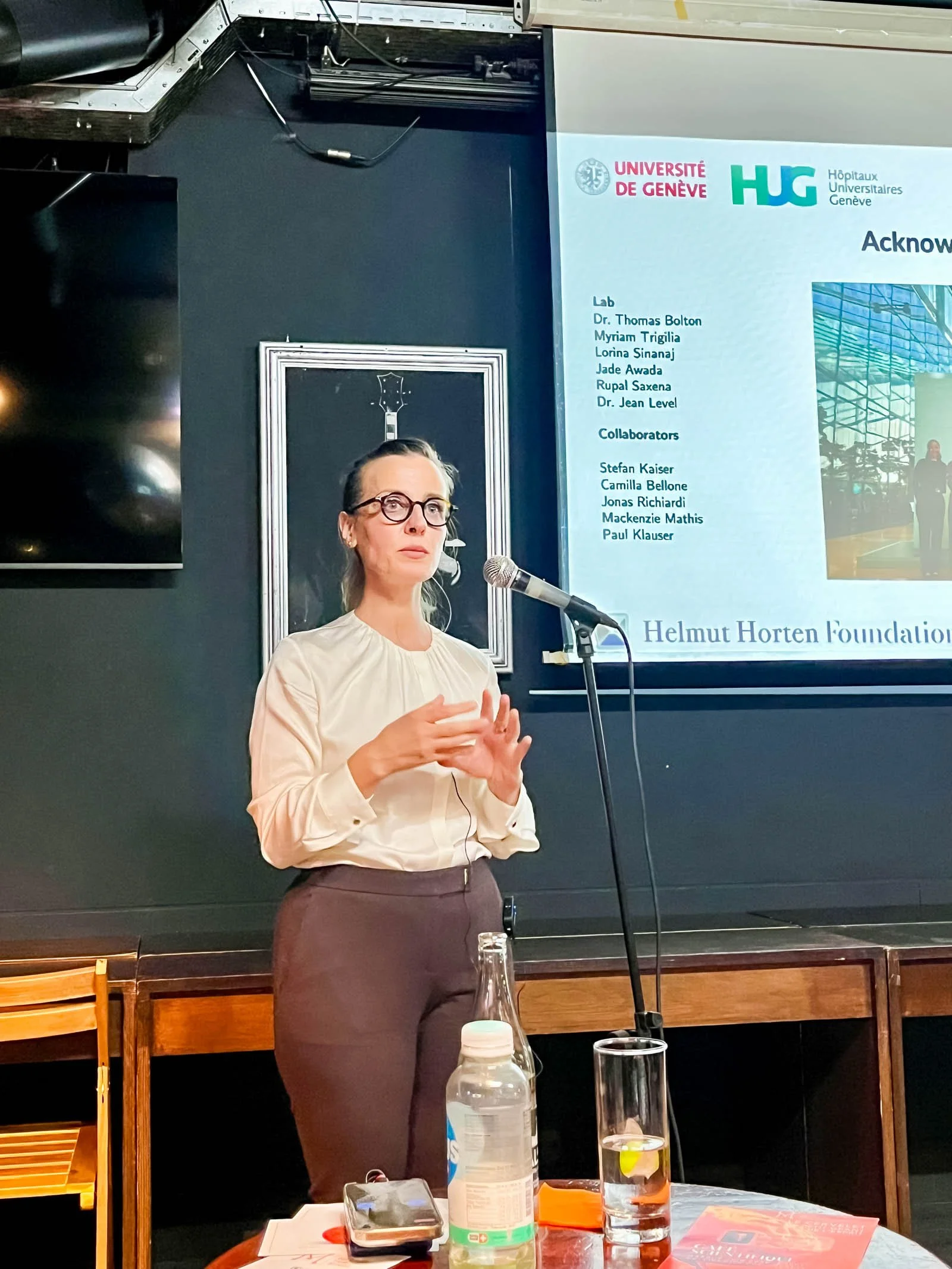
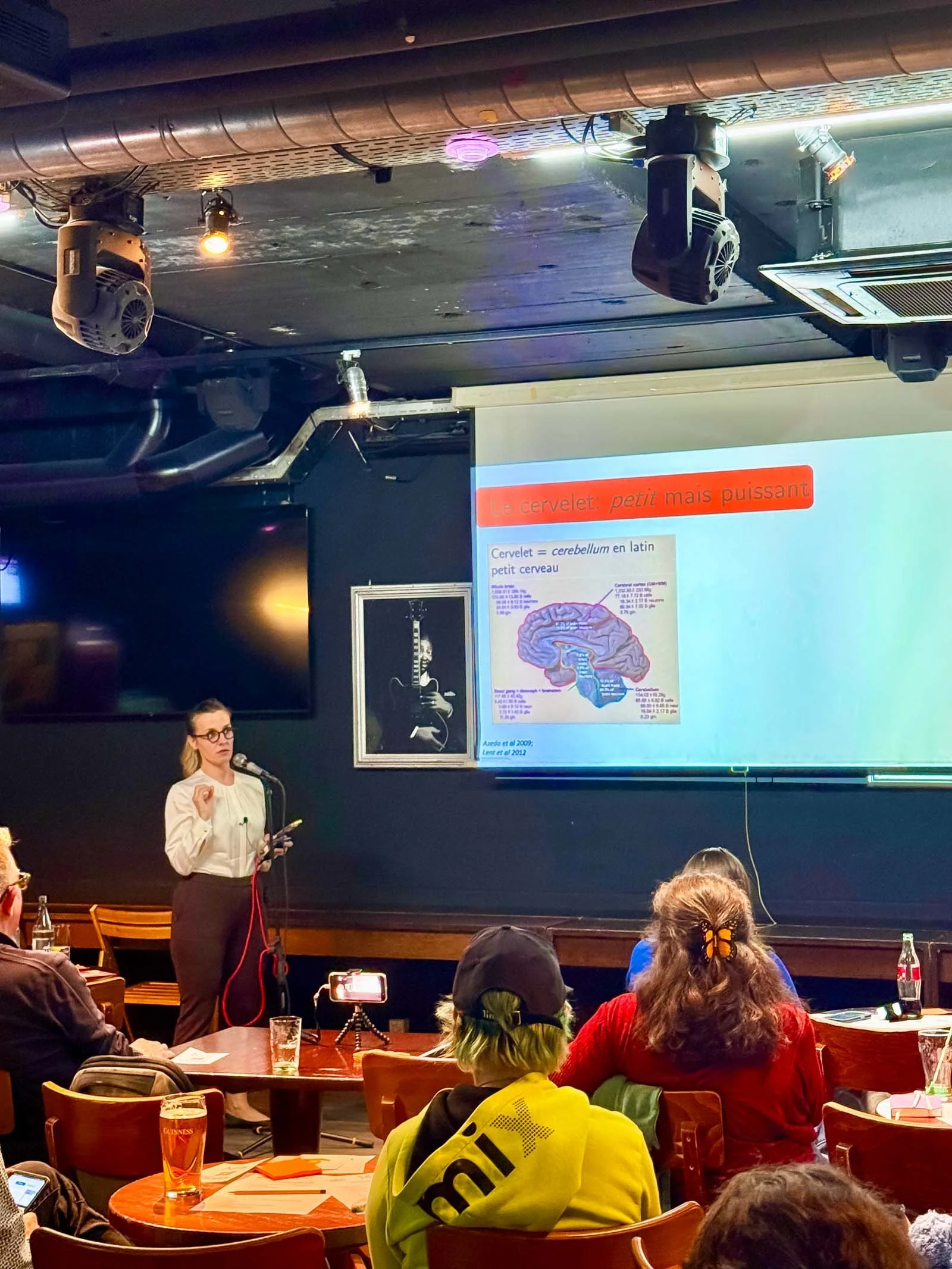
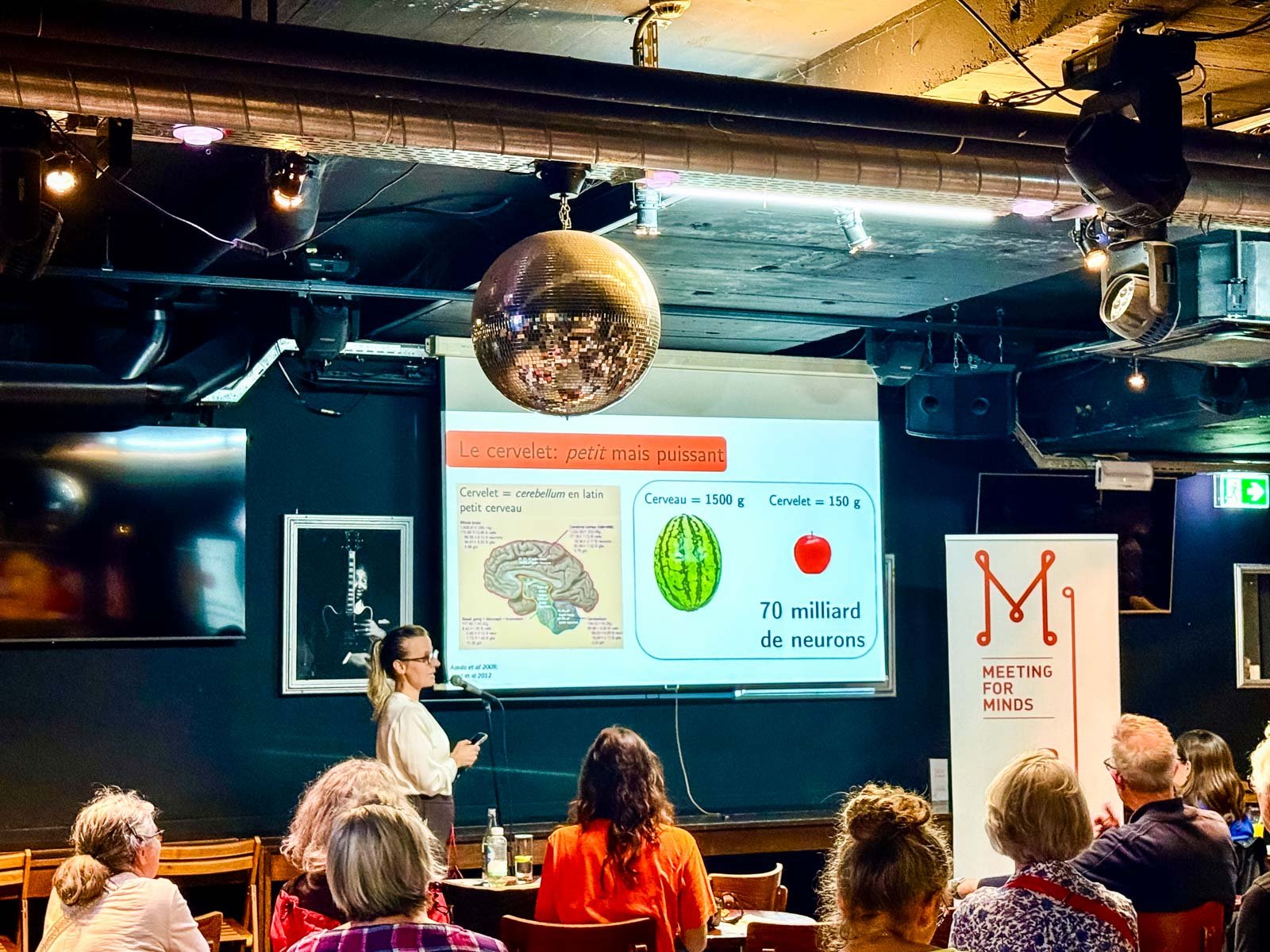
La Pr Indrit a proposé une présentation accessible à toutes et tous, riche en exemples concrets, illustrations et animations, qui a permis de rendre ce sujet passionnant particulièrement vivant. La salle était au rendez-vous — malgré le gros orage.
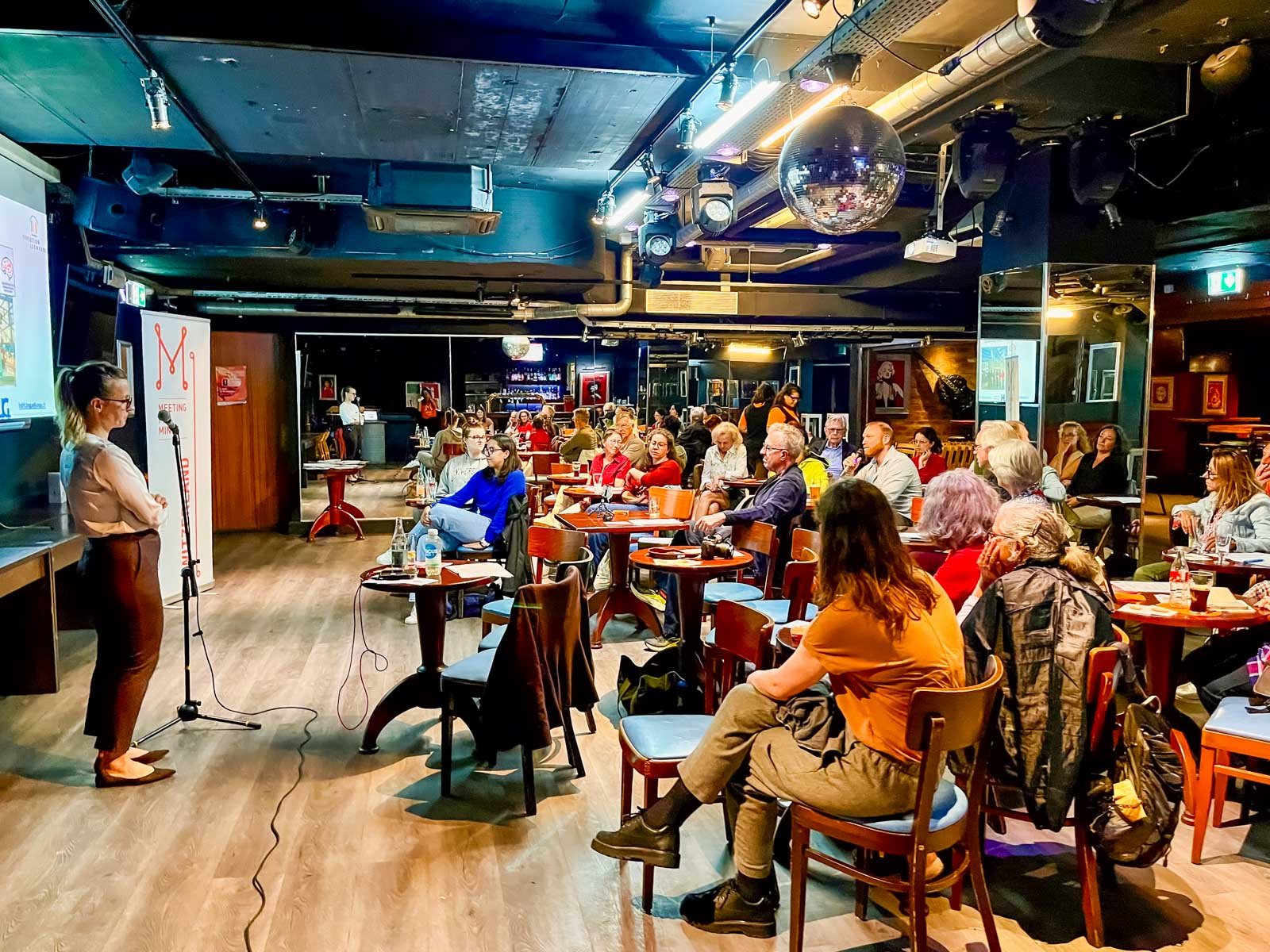
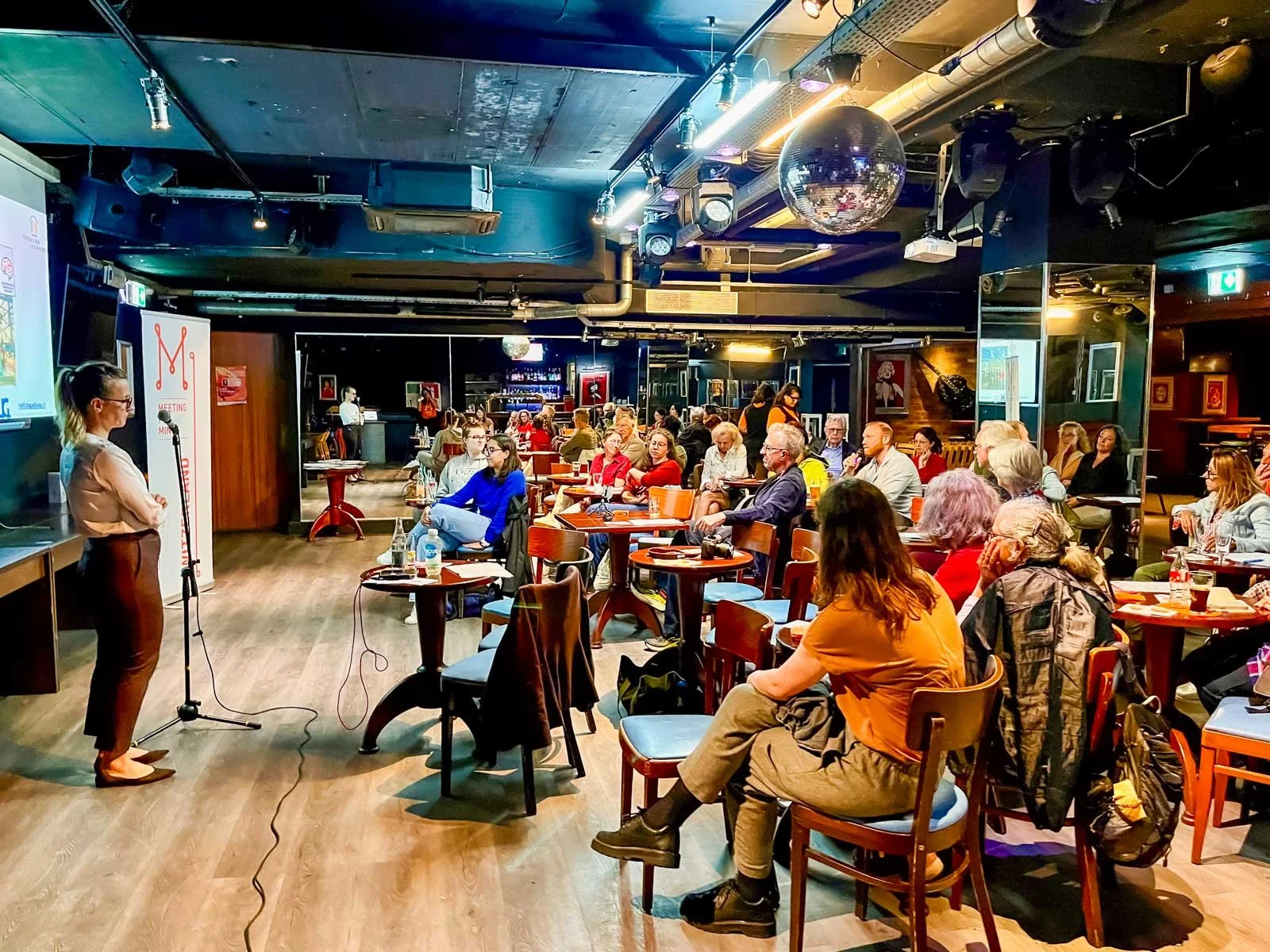
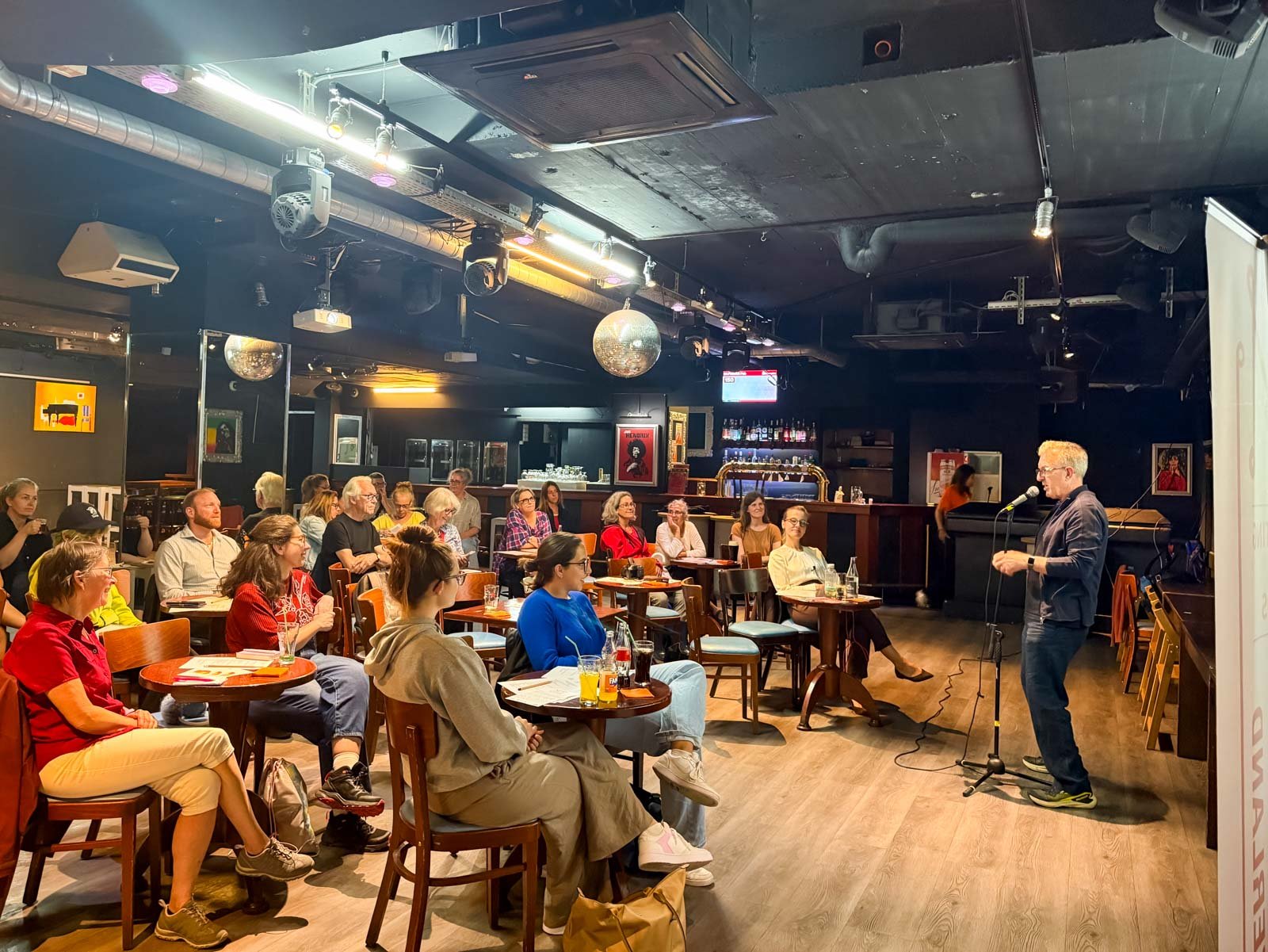
Nous avons eu le plaisir d’accueillir un public varié, réunissant de nombreuses personnes concernées par des troubles psychiques, des proches aidants, des professionnels de la santé ainsi que des étudiantes.
Un grand merci à nos partenaires — SYNAPSY (UNIGE), La Coraasp et la Semaine du Cerveau — pour leur précieux soutien dans la diffusion de cet événement.
Merci également au Mr Pickwick Pub pour son accueil chaleureux ! Les participantes et participants ont beaucoup apprécié le lieu, qui accueillera de futurs Cafés Scientifiques.
En fin de rencontre, un temps d’échange a permis aux participants de discuter avec la chercheuse et de poser leurs questions dans une ambiance conviviale.
Cet enthousiasme s’est aussi traduit par plusieurs inscriptions à notre programme SYNERGIES, qui favorise les rencontres régulières entre chercheurs et personnes concernées par des troubles psychiques afin de construire des échanges enrichissants et mutuels.
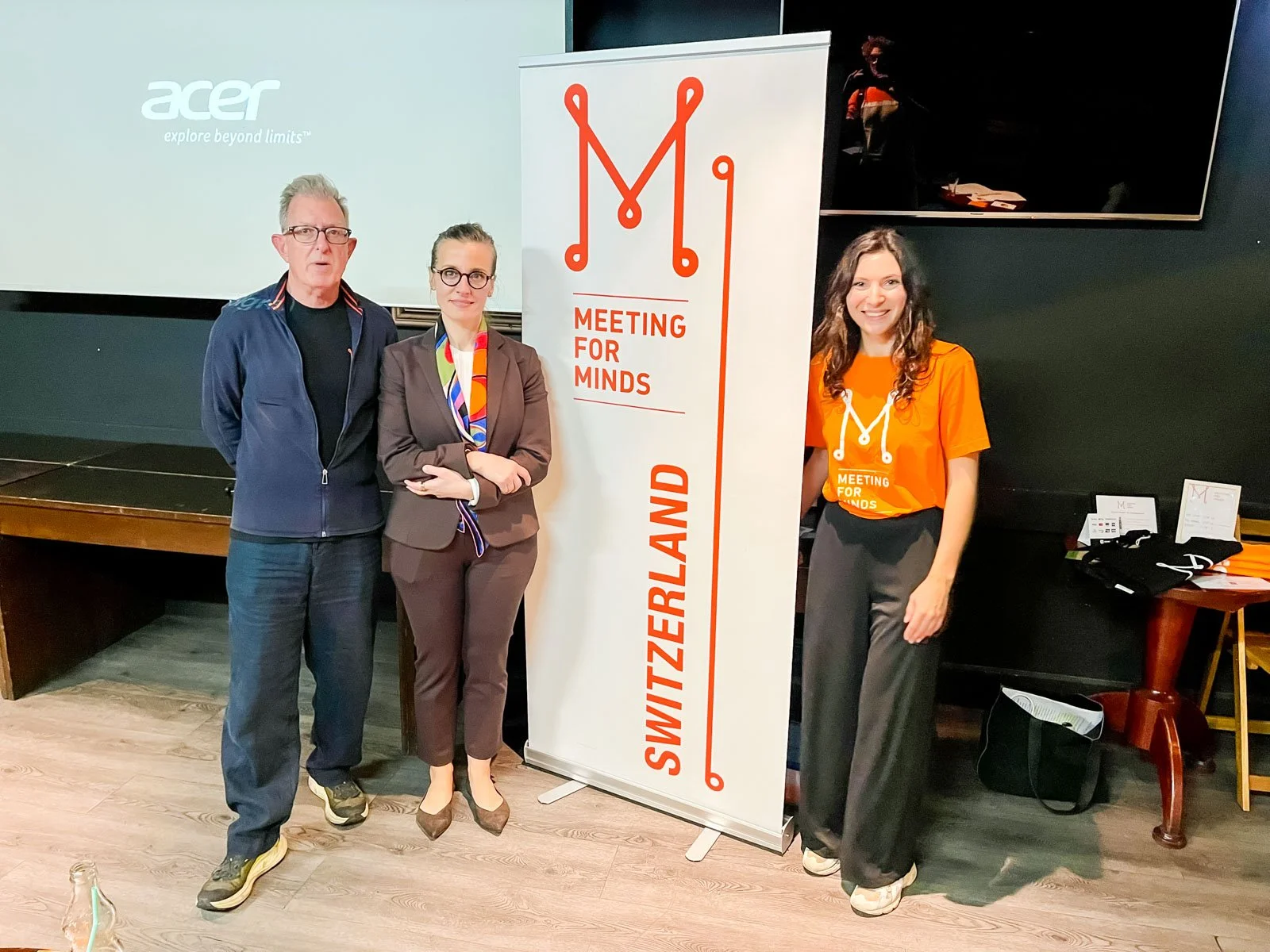
Quelques images de la soirée
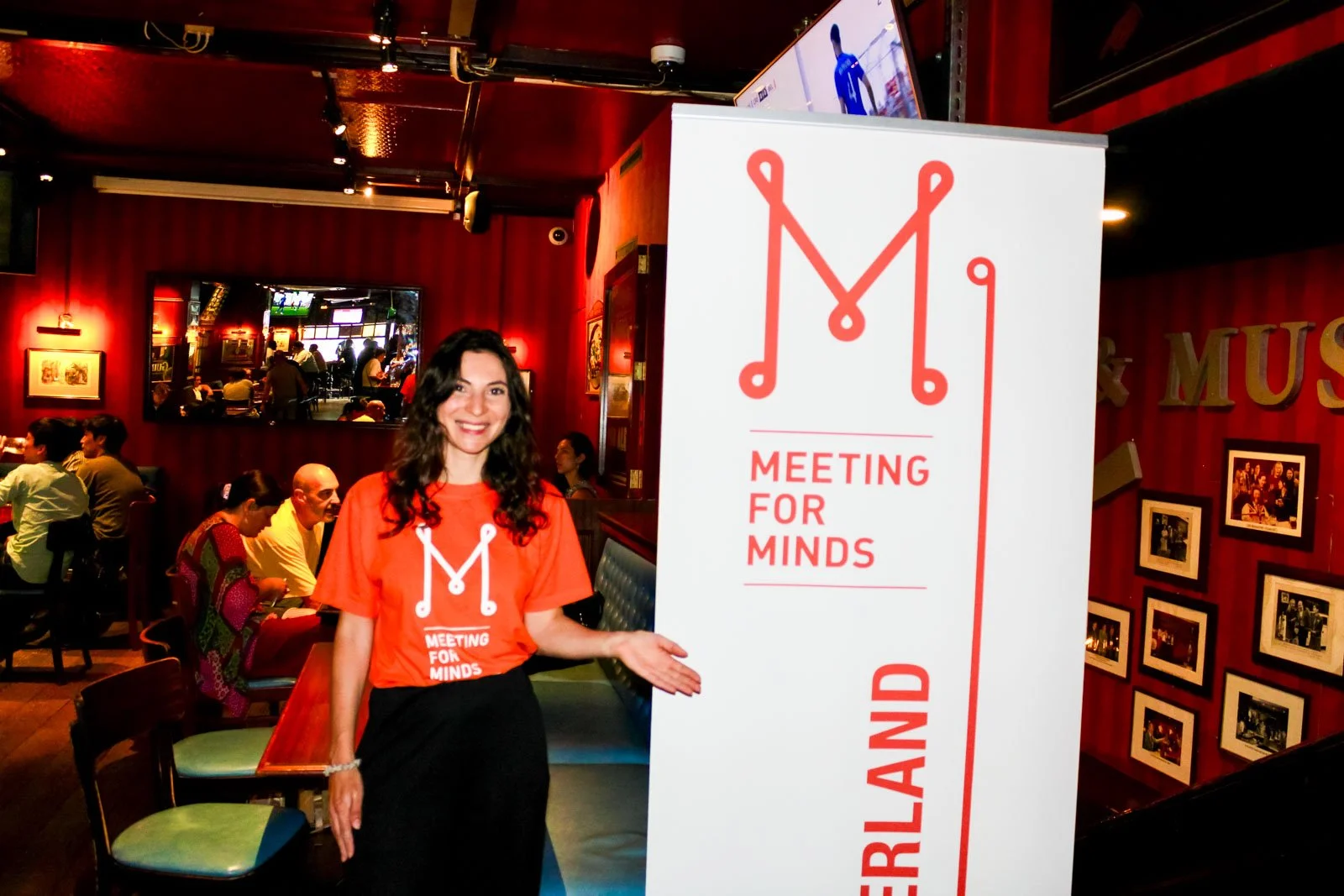
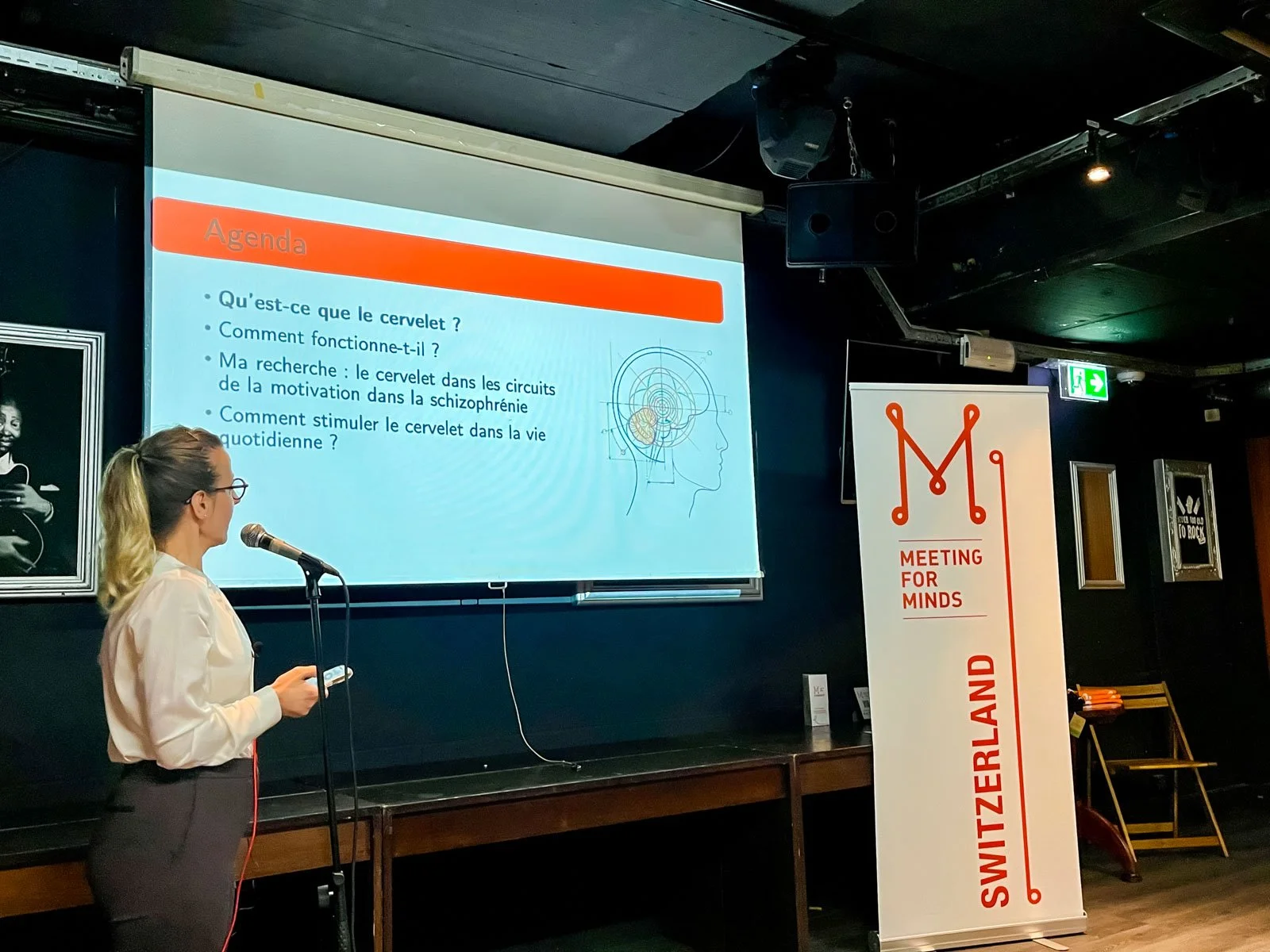
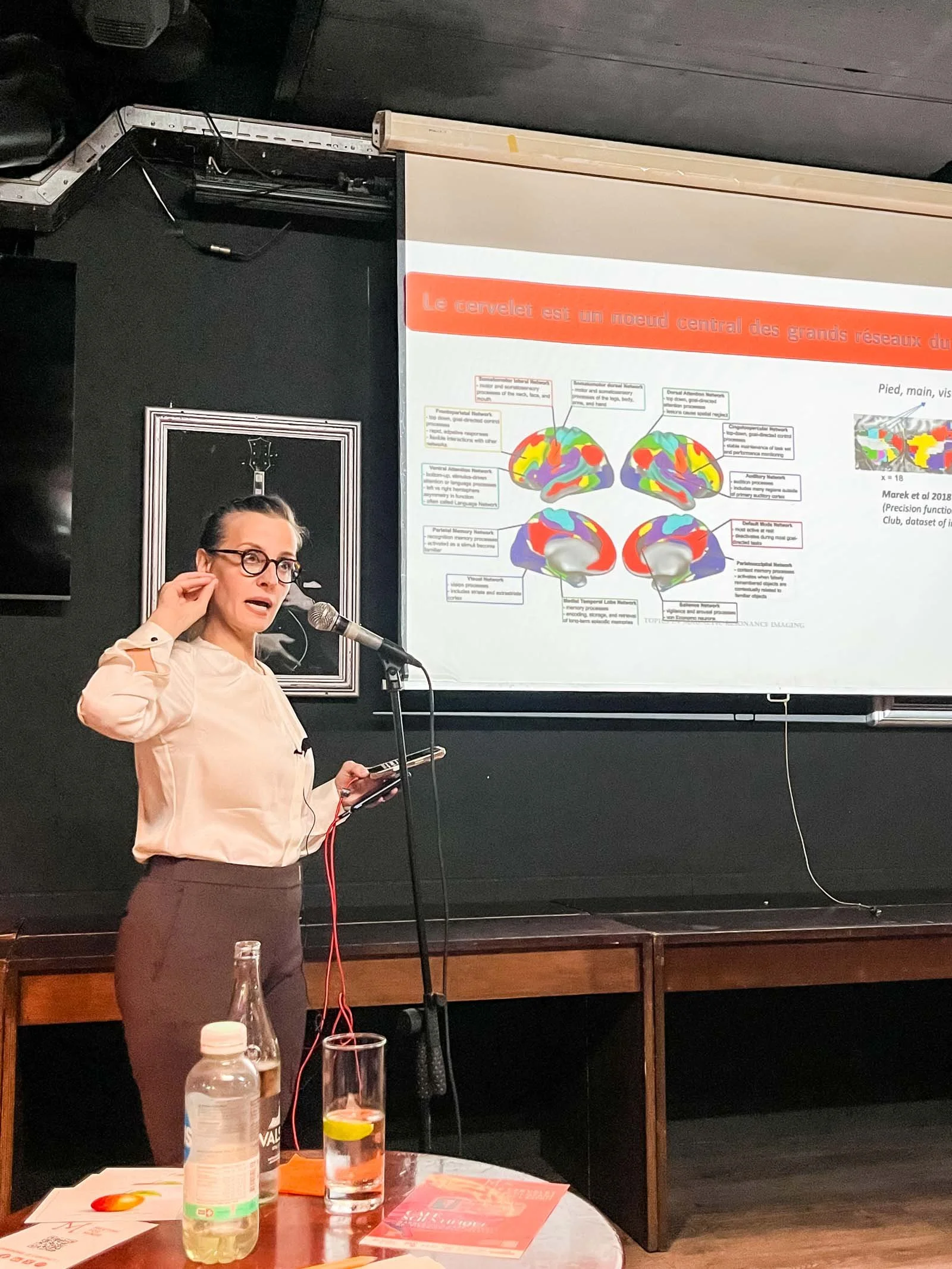
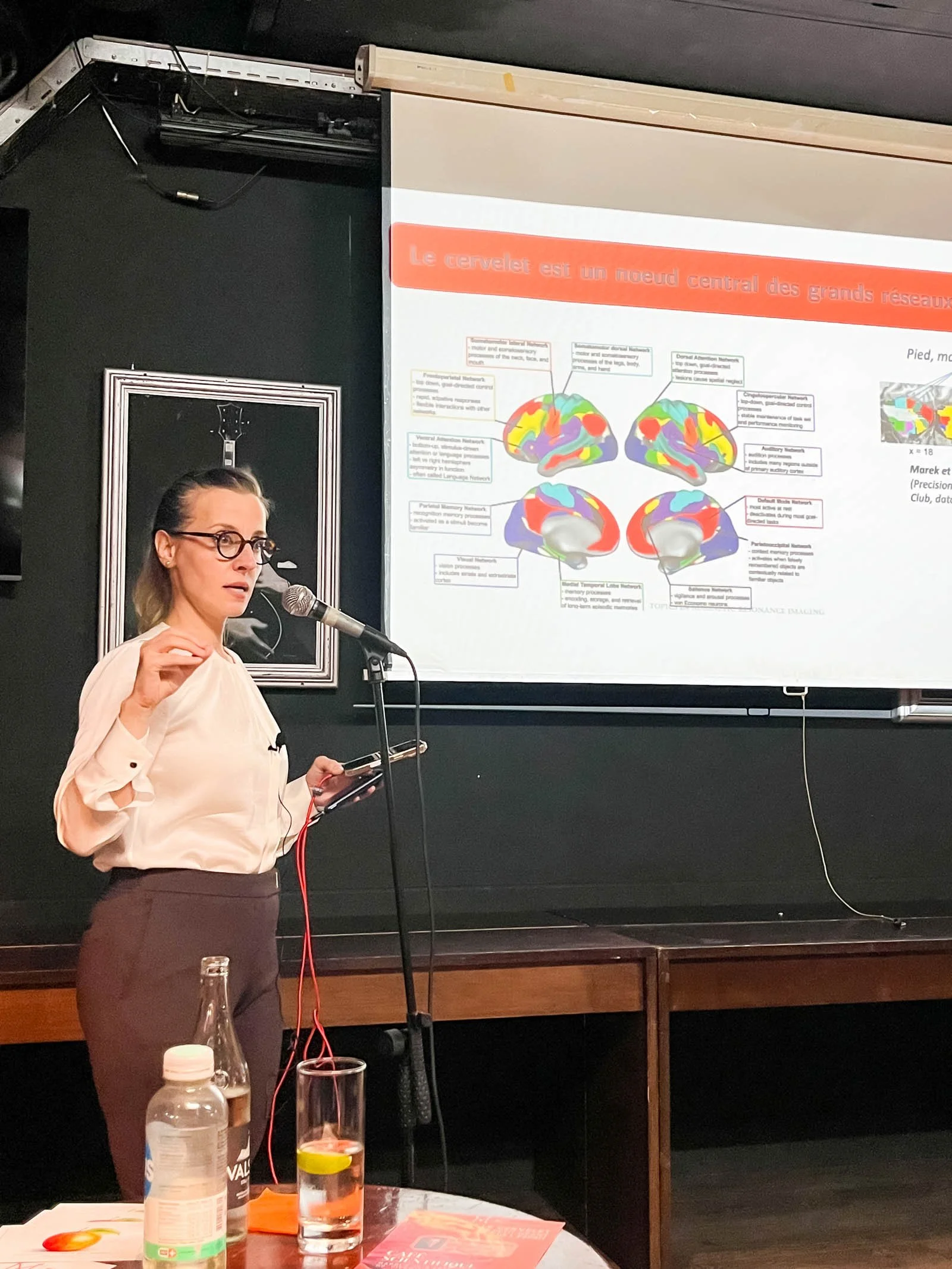
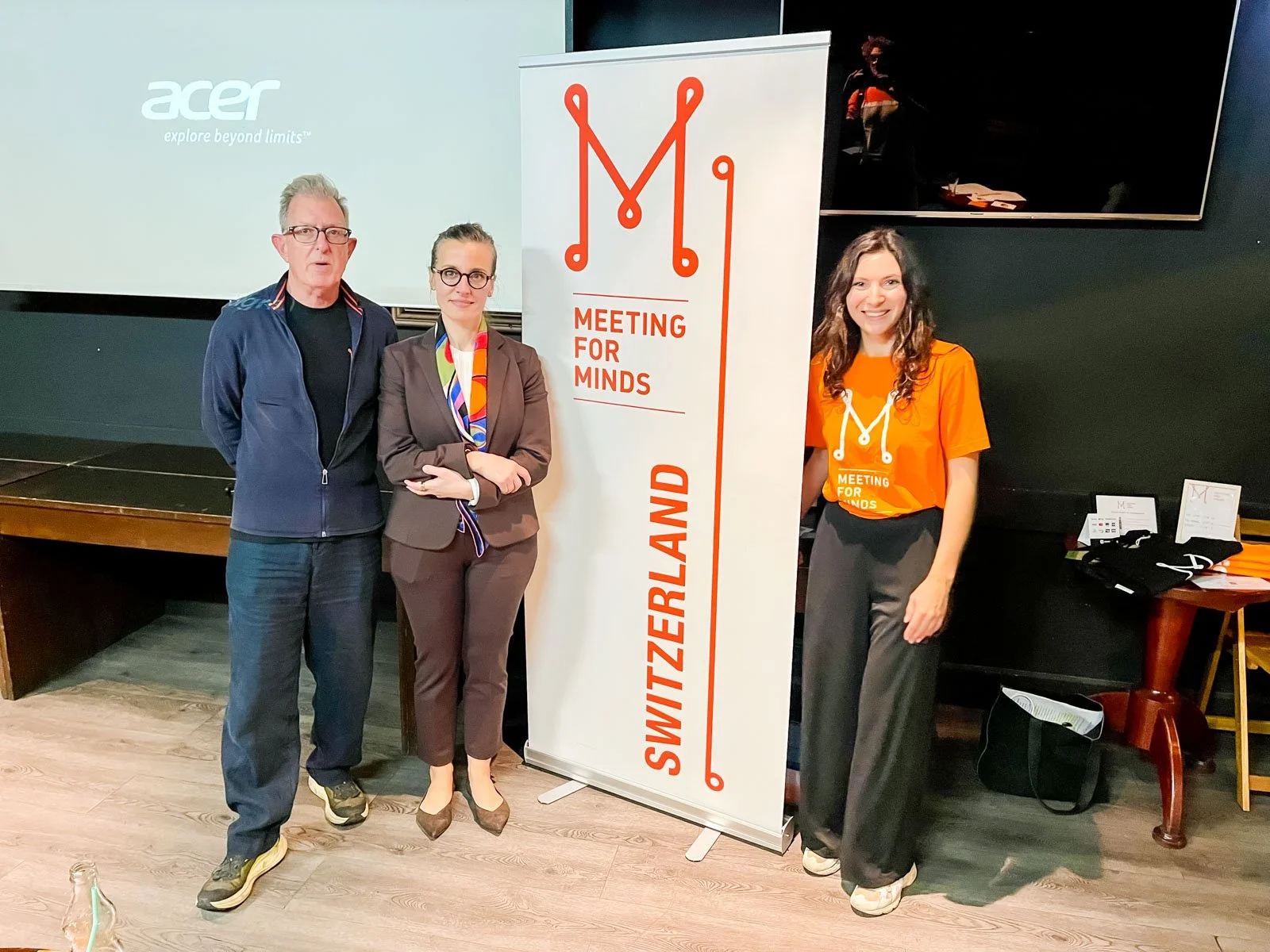
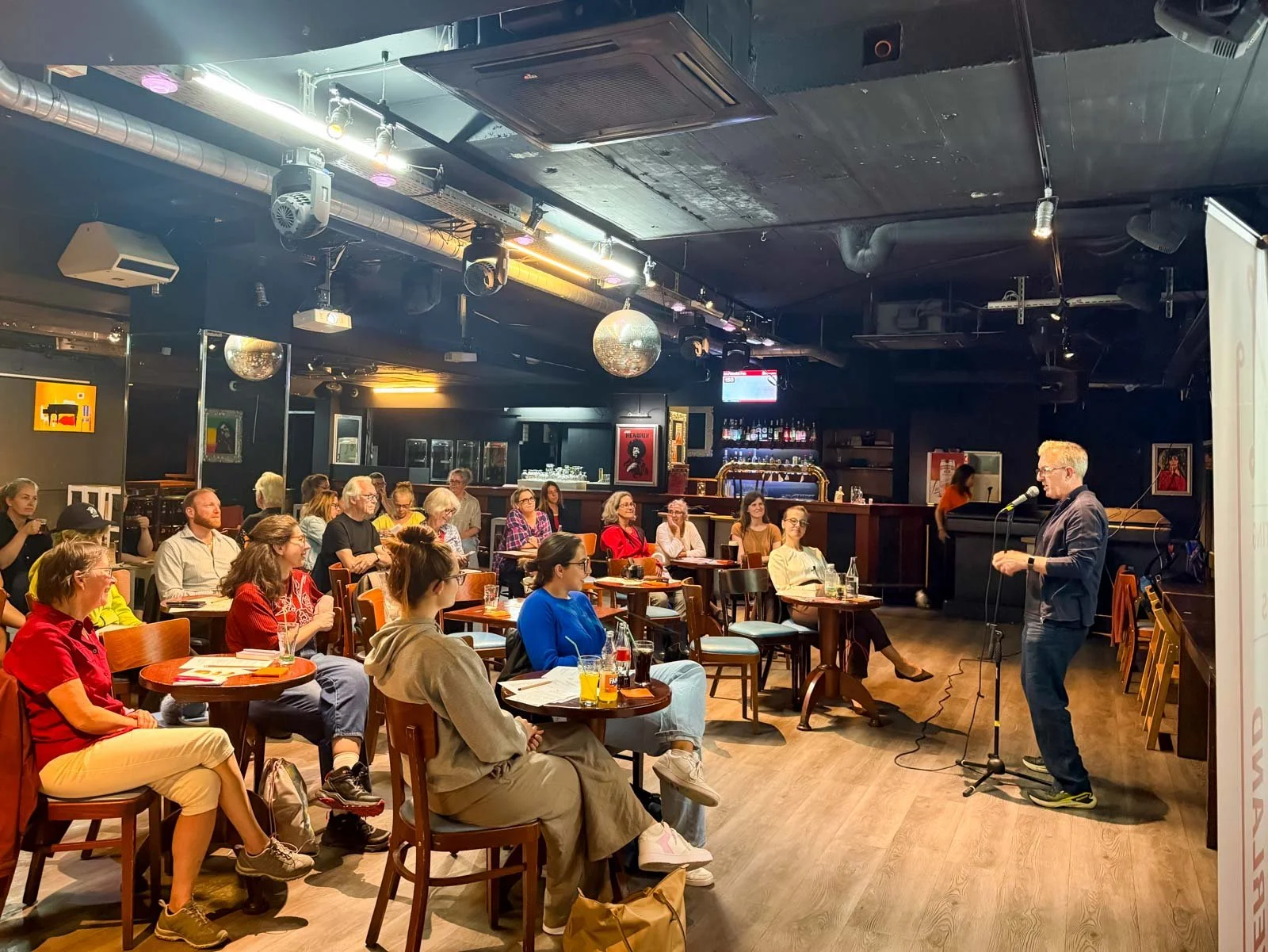
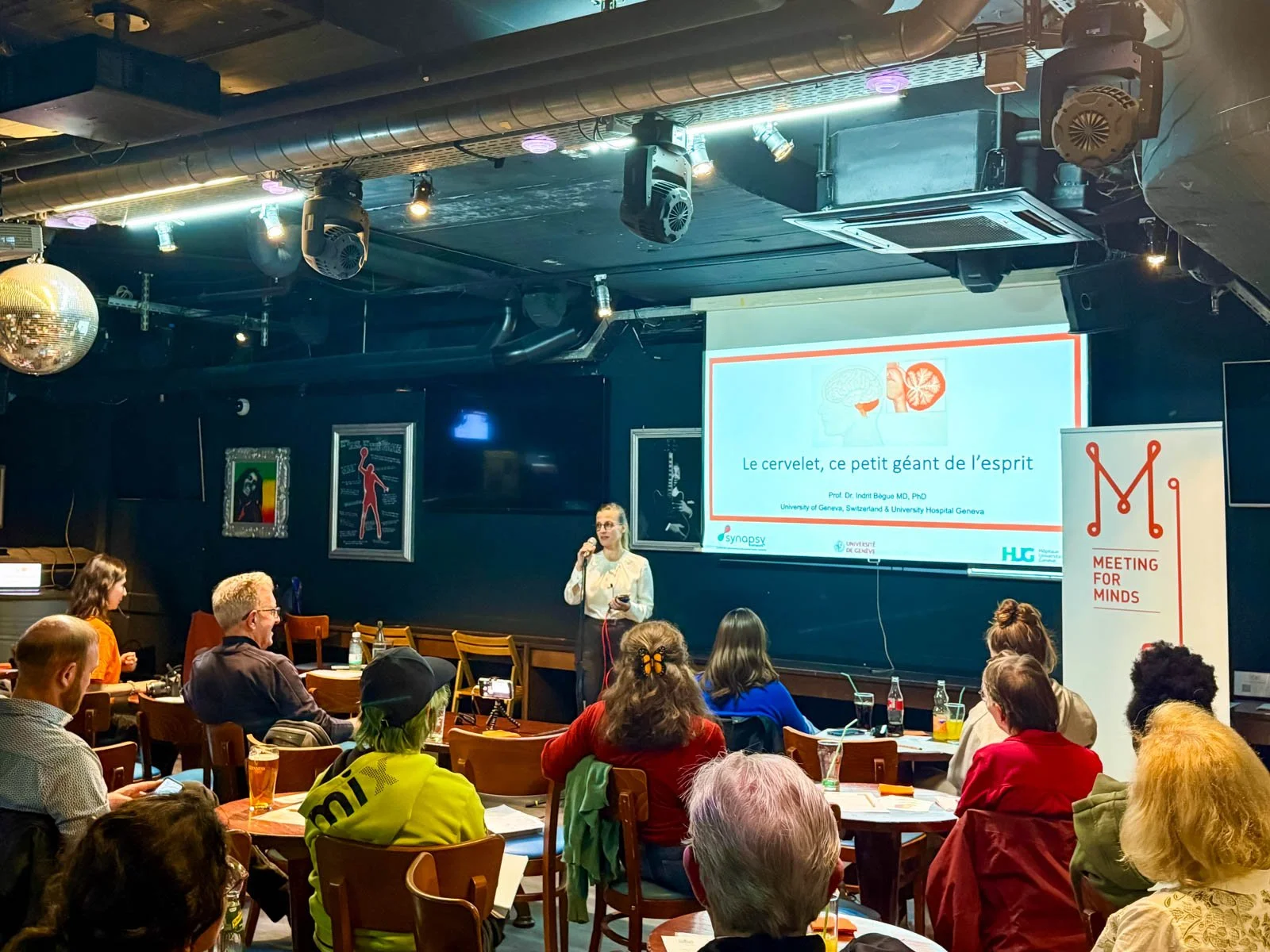
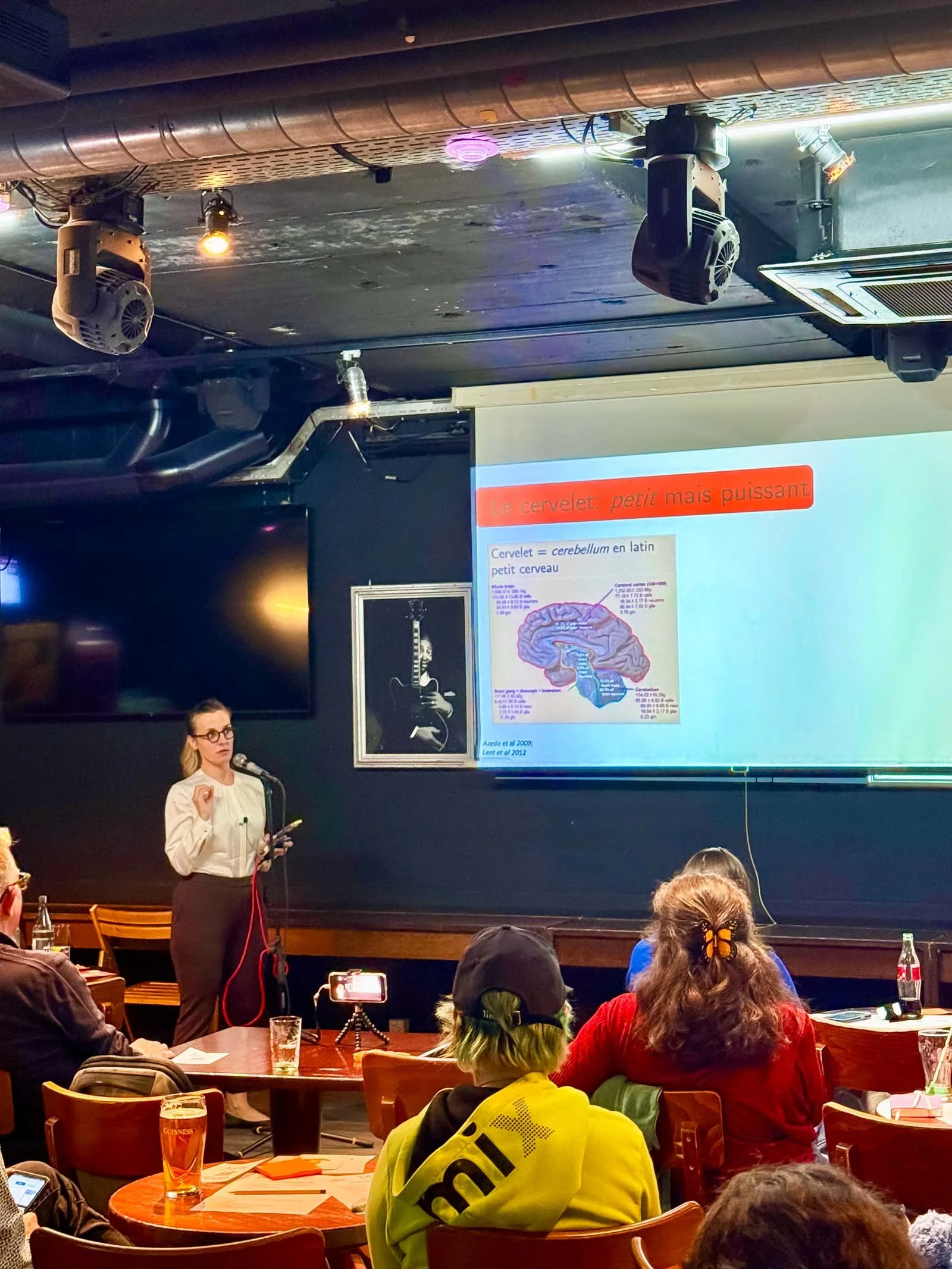
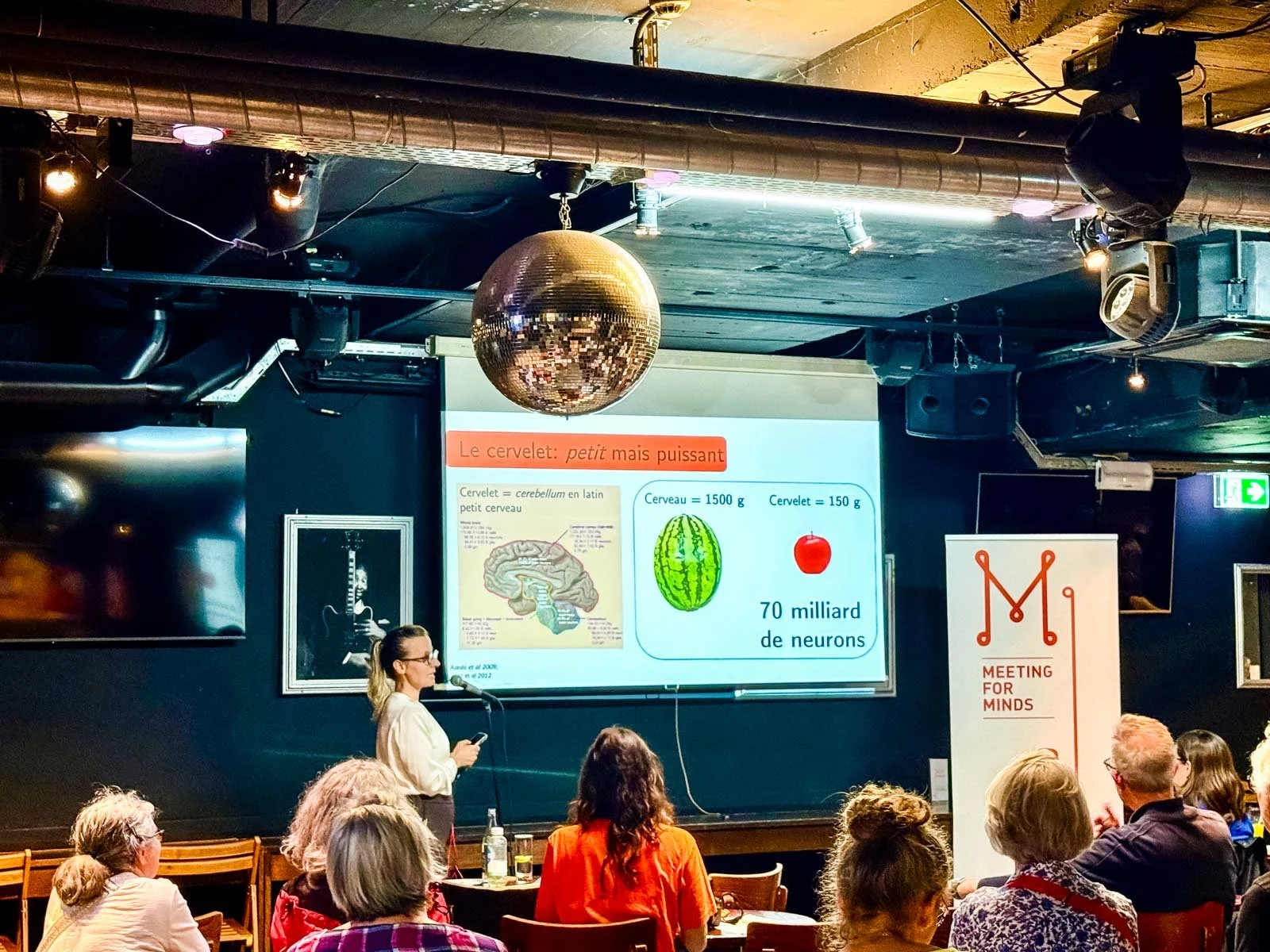
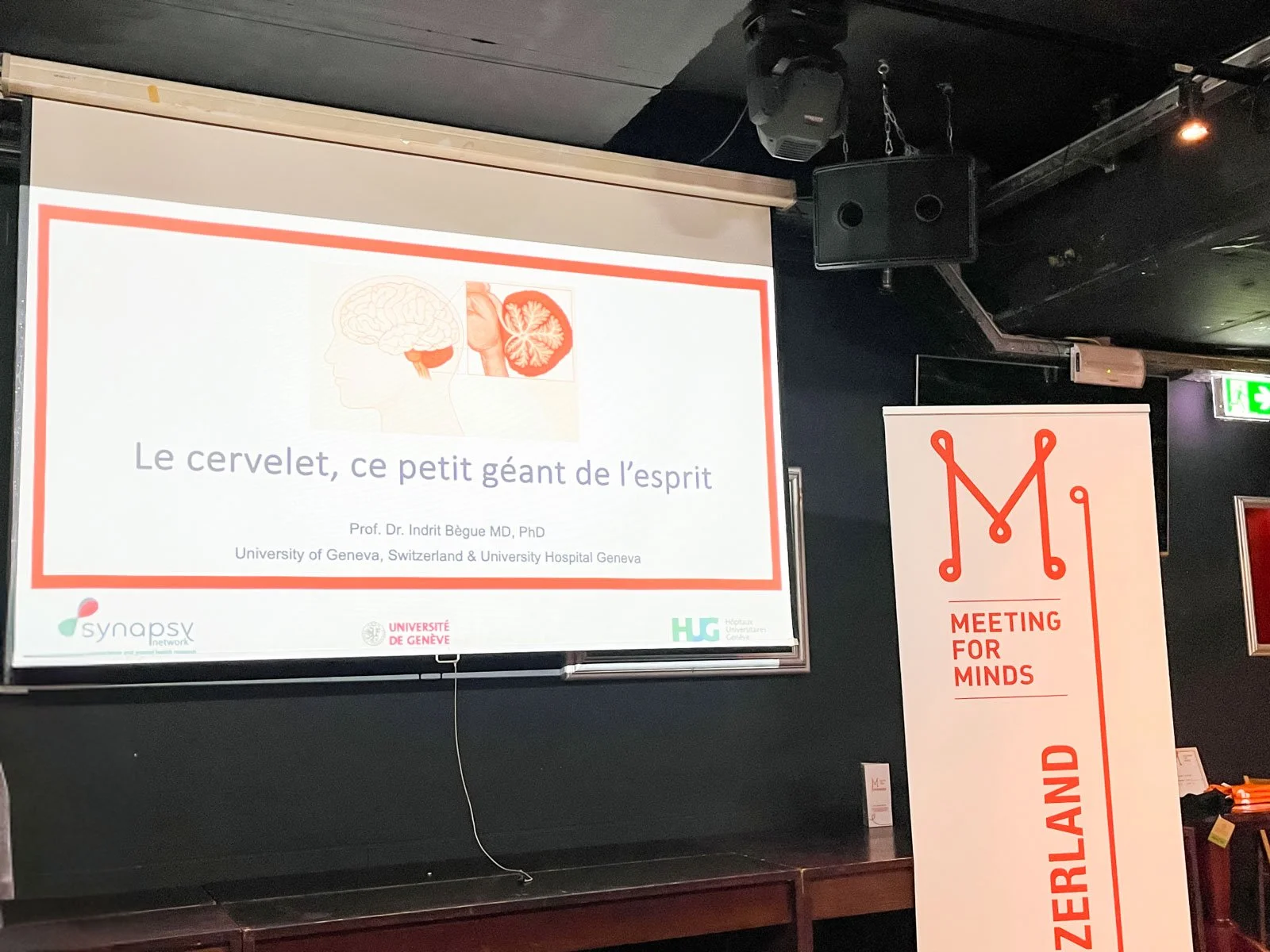
Associations à Genève de Plex (personnes concernées) qui nous ont accueilli — Intersection & Centre Espoir
Des personnes concernées ainsi que des professionnels du foyer du Centre Espoir et d’Intersection, centre de jour de la Fondation TRAJET ont pris part à cette soirée — un grand merci à eux pour leur présence, leur intérêt et leur engagement !
En amont de l’événement, ils nous ont accueillis à deux reprises afin de partager et faire connaître le Café Scientifique ainsi que le programme SYNERGIES auprès des personnes concernées. Ces moments d’échange ont largement contribué à nourrir le dialogue entre recherche et expérience vécue.
Le travail qu’ils mènent chaque jour au sein du centre de jour fait écho aux valeurs portées par Meeting for Minds et aux avancées de la recherche évoquées lors de cette soirée. En favorisant des espaces qui favorisent les liens sociaux, la créativité, l’engagement et la confiance, ils contribuent aussi — comme l’a montré la Professeure Bègue — à stimuler notre cervelet ainsi que notre système de récompense.
ENGLISH VERSION
Café Scientifique: “The Cerebellum: The Little Giant of the Mind”
June 2, 2026
Our Café Scientifique, “The Cerebellum: The Little Giant of the Mind”, was a great success!
Watch the replay of Professor Indrit Bègue’s presentation from our latest Café Scientifique and discover why the cerebellum is such a remarkable brain structure. You may even become a cerebellum enthusiast yourself! Along the way, you’ll pick up simple, practical tips that you can incorporate into your daily life.
Topics explored during the evening:
● What is the cerebellum?
● How does it work?
● Her current research: The cerebellum and motivation circuits in schizophrenia
● What inspired Professor Bègue to focus on this brain structure?
● What are the future perspectives and hopes for people living with schizophrenia who experience symptoms of apathy?
● How can we stimulate the cerebellum in daily life?
Our Café Scientifique, “The Cerebellum: The Little Giant of the Mind”, brought together an engaged and diverse audience in a casual atmosphere!
Professor Indrit Bègue delivered an accessible and engaging talk, bringing this fascinating topic to life through concrete examples, visuals, and animations. Despite the heavy storm outside, the room was filled with curious and enthusiastic participants.
We were delighted to welcome a diverse audience, including People with Lived EXperience of mental illness (PLEX), family caregivers, healthcare professionals, and students.
A warm thank you to our partners — SYNAPSY (University of Geneva), Coraasp, and Brain Awareness week — for helping us promote this event.
Special thanks as well to Mr Pickwick Pub for their warm hospitality. Participants greatly appreciated the venue, and we look forward to hosting future Café Scientifique there.
The evening concluded with an open discussion where participants had the opportunity to connect directly with the researcher, ask questions, and continue the conversation in an informal and welcoming atmosphere.
This enthusiasm also translated into several new registrations for our SYNERGIES programme, which brings together researchers and PLEX through regular meetings designed to foster meaningful, mutual exchange.
A few images
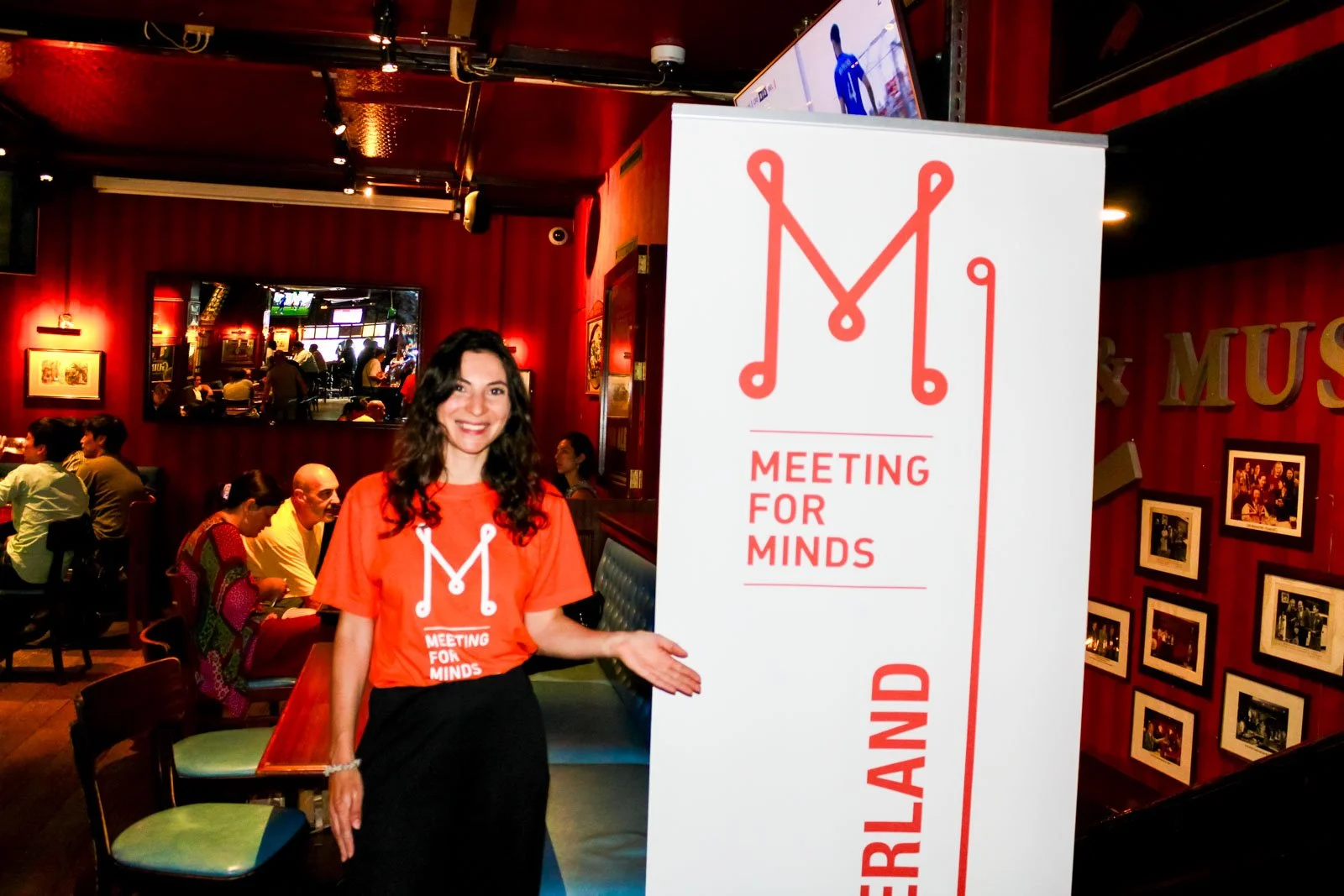
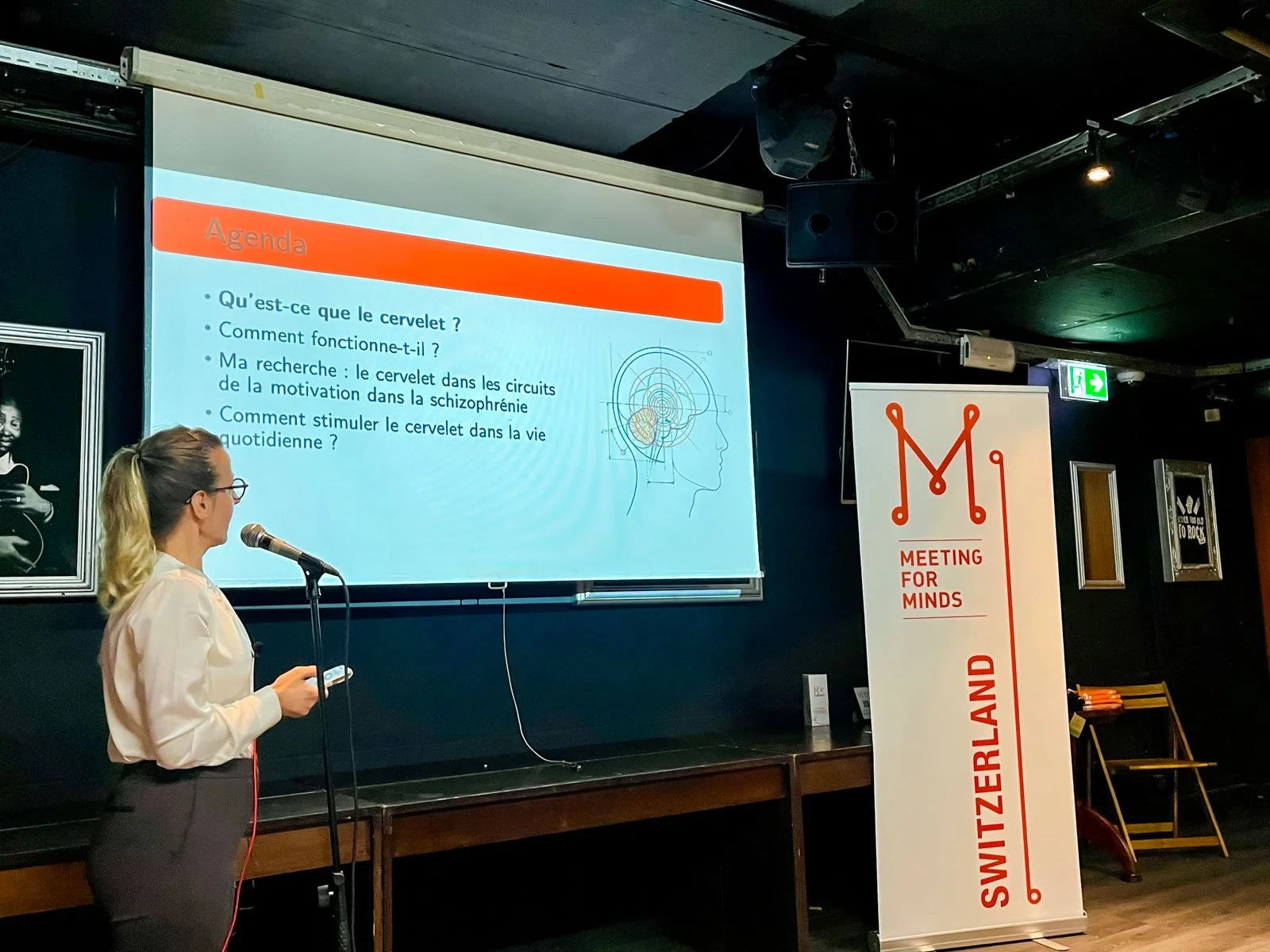
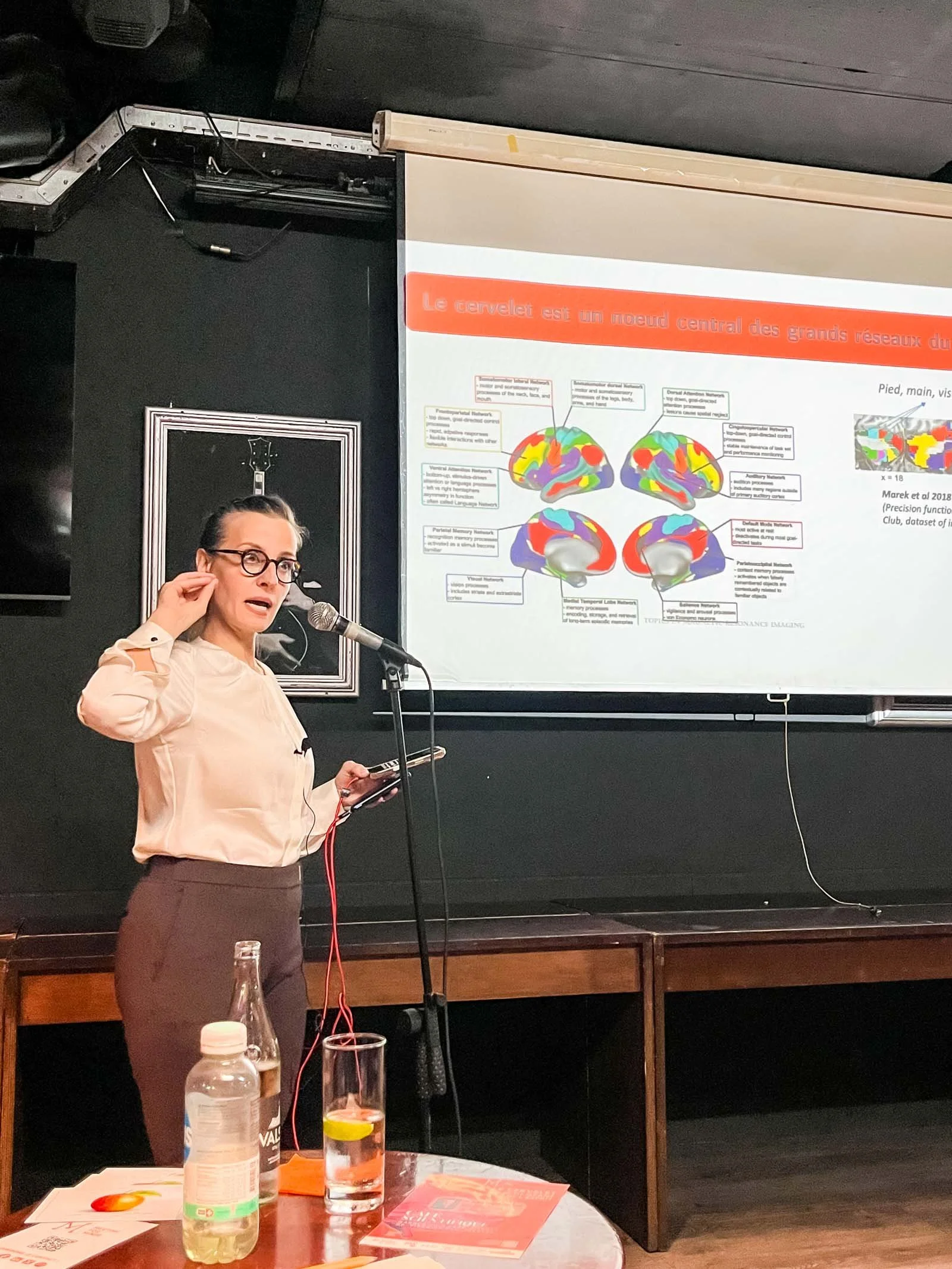
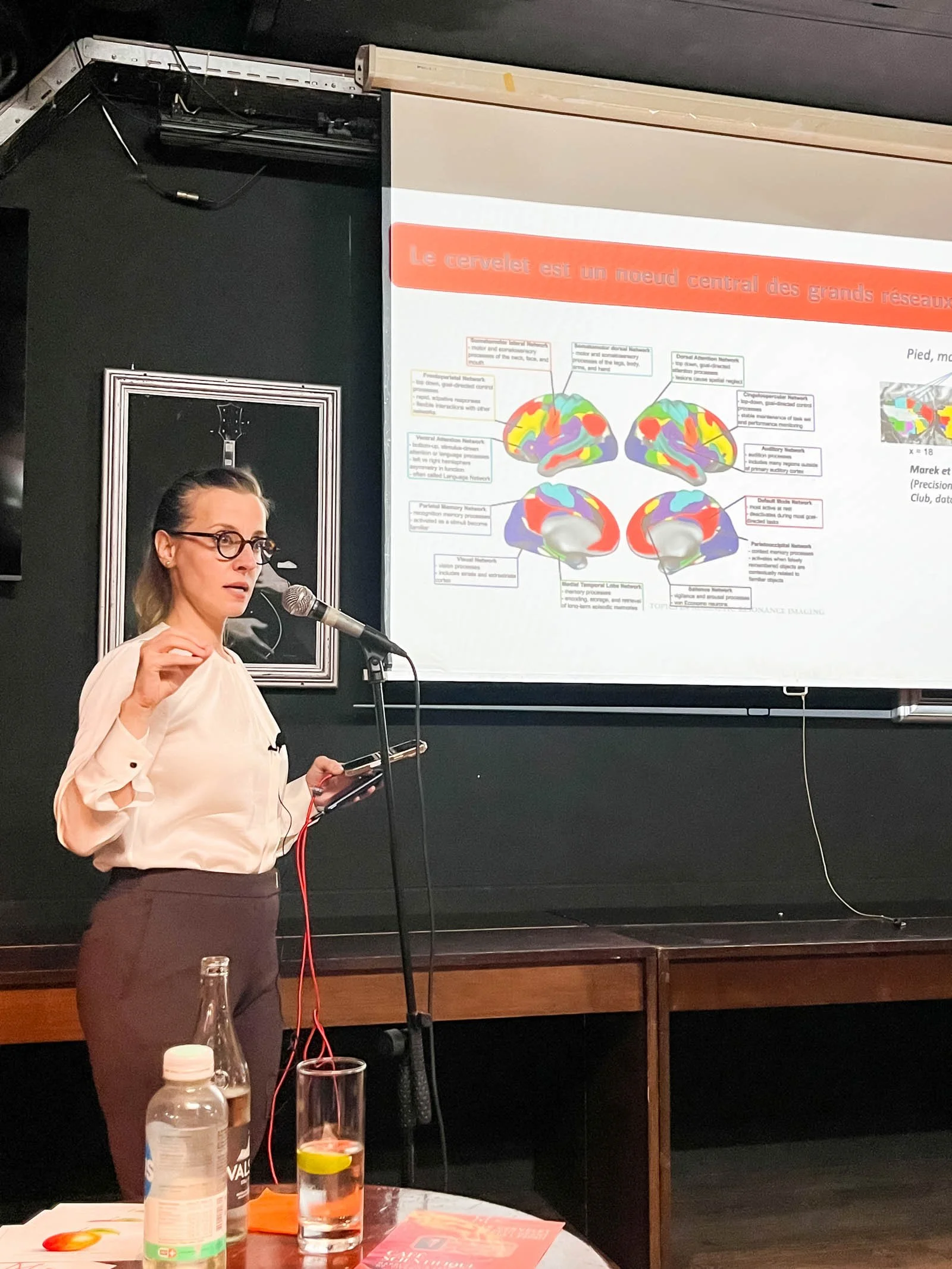
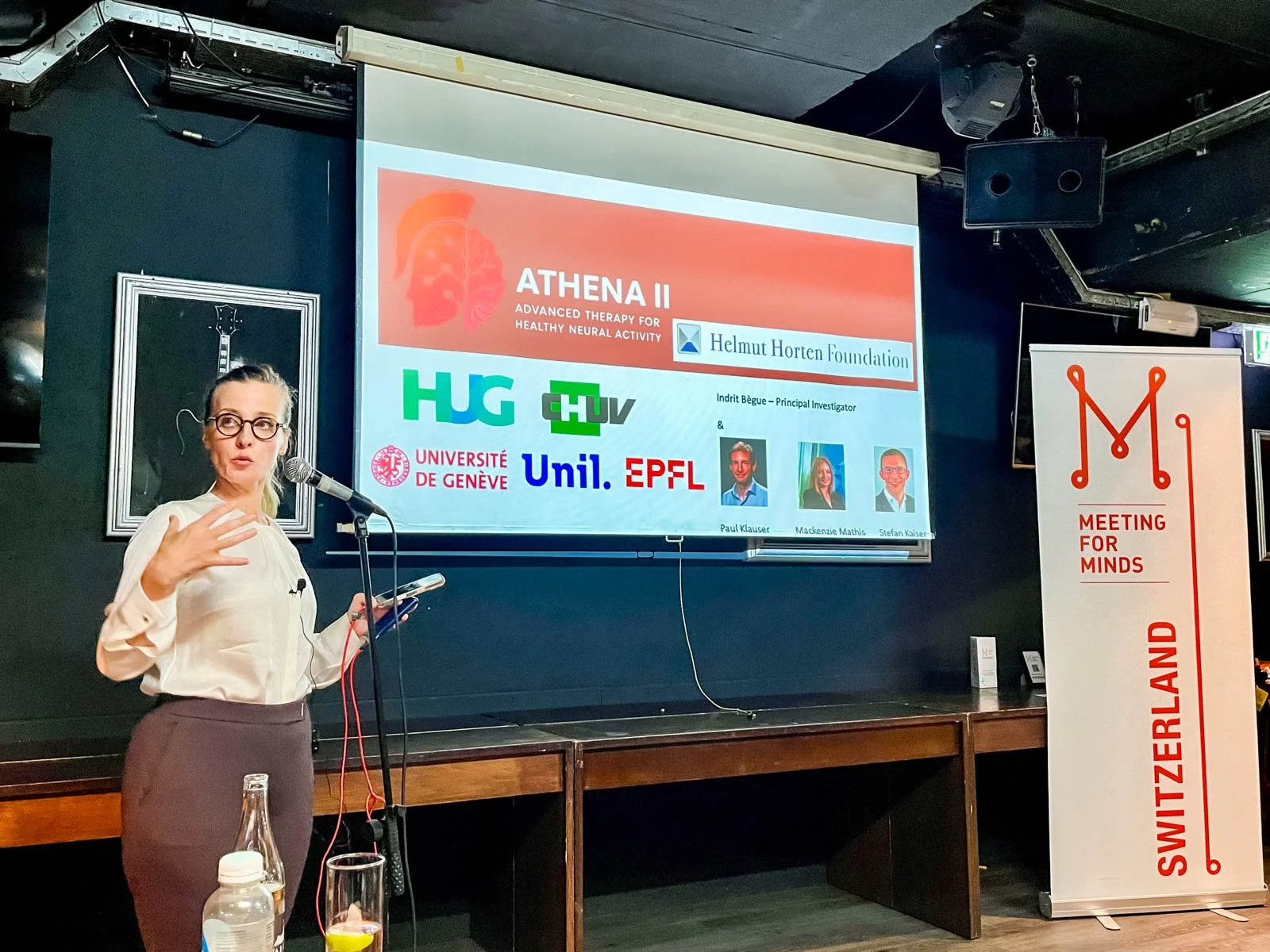
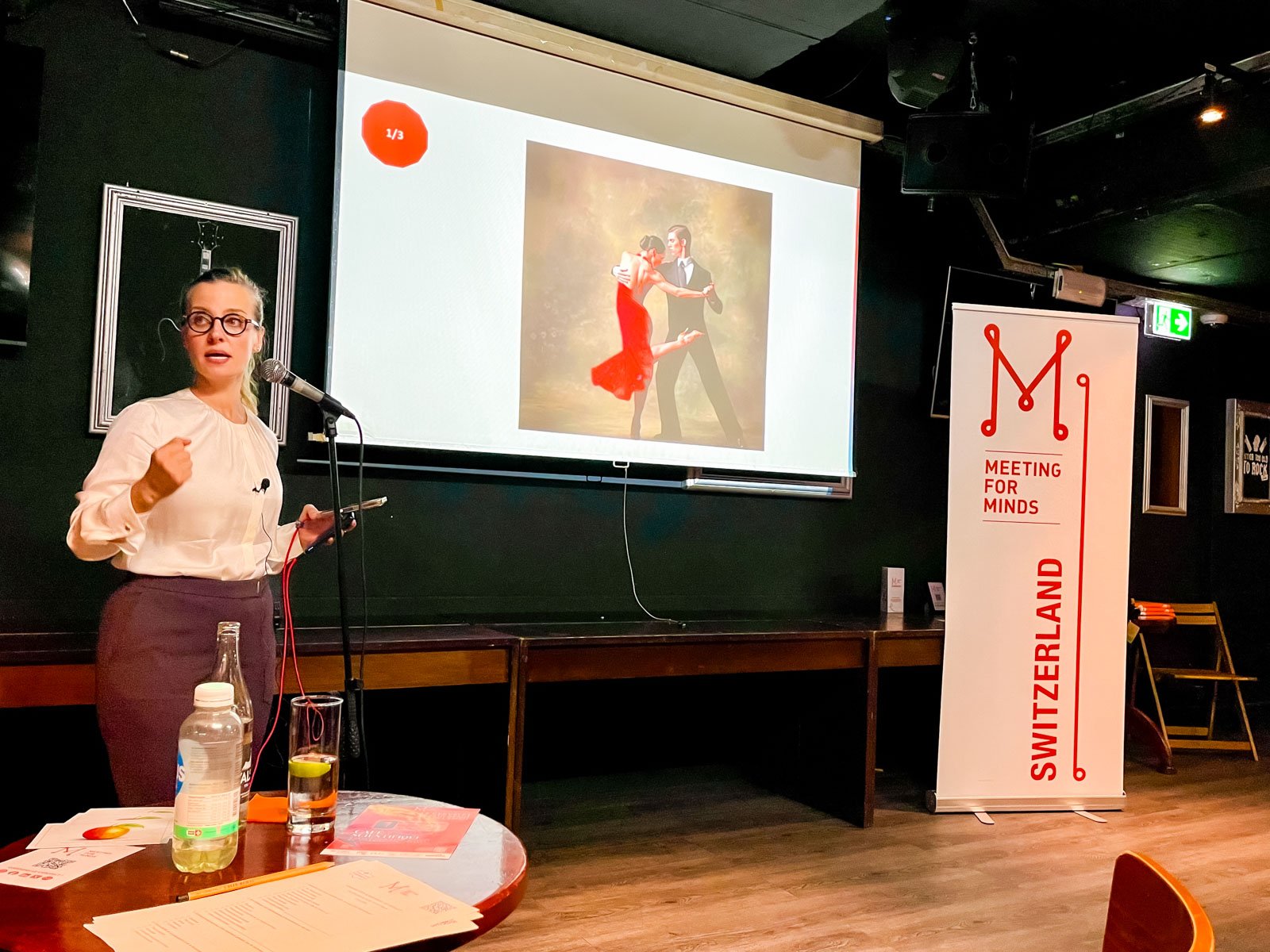
Geneva-based peer and community organisations that welcomed us — Intersection & Centre Espoir
People with lived experience as well as professionals from Centre Espoir and Intersection, the day centre of Fondation TRAJET, joined us for the evening — and we warmly thank them for their presence, interest, and engagement.
Ahead of the event, they welcomed us on two occasions to introduce both the Café Scientifique and the SYNERGIES programme to members of their communities. These exchanges helped create valuable bridges between research and lived experience.
The work they carry out every day strongly resonates with the values promoted by Meeting for Minds and with the scientific insights shared during the event. By creating spaces that strengthen social connection, creativity, participation, and confidence, they contribute to essential dimensions of wellbeing — and, as Professor Bègue highlighted during her talk, they may also help stimulate both the cerebellum and the brain’s reward system.