
“Insert quote by Gregor Hasler Here”
External Links
Gregor Hasler
Bio
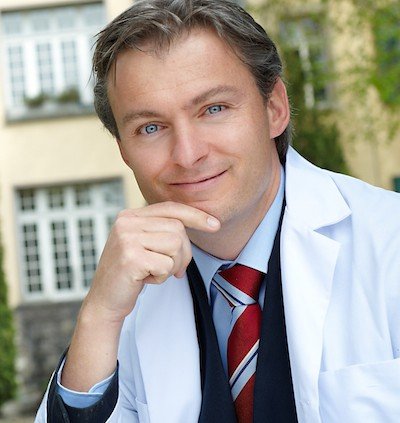
Professor Gregor Hasler is a Swiss psychiatrist, psychotherapist, and neuroscientist, born on July 5, 1968, in Basel, Switzerland. He studied medicine at the University of Zurich and completed his psychiatric residency in Paris, London, Lausanne, and Zurich, receiving his medical degree in 1995. From 2003 to 2006, he was a visiting research fellow at the National Institute of Mental Health (NIMH) in the United States, specializing in molecular neuroimaging. rfsm.ch+3bornglorious.com+3de.wikipedia.org+3unifr.ch+4unifr.ch+4alps.foundation+4en.wikipedia.org+2alps.foundation+2unifr.ch+2
Since January 2019, Professor Hasler has been a full professor and chair of psychiatry and psychotherapy at the University of Fribourg, Switzerland. He also serves as the head physician at the Center for Psychiatry and leads the Molecular Psychiatry Lab, an interdisciplinary team investigating the development and treatment of psychiatric disorders, as well as the effects of psychedelic substances. en.wikipedia.org+2alps.foundation+2bornglorious.com+2molecularpsychiatry.ch+1sotoso.org+1
Professor Hasler is the author of several books aimed at a general audience, including:
Resilienz: Der Wir-Faktor (2017)
Die Darm-Hirn-Connection (2019)
Higher Self: Psychedelika in der Psychotherapie (2022)gregorhasler.ch+10molecularpsychiatry.ch+10en.wikipedia.org+10unifr.ch+8rfsm.ch+8unifr.ch+8
His work has been recognized with numerous awards, such as the NARSAD Independent Investigator Award and the Robert Bing Award of the Swiss Academy of Medical Sciences. gregorhasler.ch+5bornglorious.com+5alps.foundation+5
Meeting for Minds involvement
While specific details about Professor Hasler's involvement with Meeting for Minds are not publicly available, his extensive research on mood disorders, stress, and the gut-brain connection aligns with the organization's focus on brain and behavioral sciences. His commitment to integrating lived experiences into psychiatric research resonates with Meeting for Minds' mission.
“Insert quote here”
Featured Research & Work
Molecular Neuroimaging: Professor Hasler's research focuses on molecular neuroimaging of the glutamate and GABA neurotransmitter systems in affective disorders, including depression and bipolar disorder. His team employs techniques like MRI, fMRI, and PET imaging to study these systems. unifr.ch
Psychedelic Research: His lab investigates the effects of psychedelic substances, such as LSD, psilocybin, and MDMA, on neuroplasticity and their potential therapeutic applications in treating depression and other psychiatric disorders. molecularpsychiatry.ch+2molecularpsychiatry.ch+2planetpsy.de+2
Stress and Depression Studies: Professor Hasler examines the effects of acute and chronic stress on mental health, exploring the interplay of genetic, environmental, and neurobiological factors underlying major depressive disorder. molecularpsychiatry.ch
Gut-Brain Connection: He has conducted significant research on the gut-brain axis, highlighting how the composition of the gut microbiome can influence mental health, contributing to conditions like depression and anxiety. unifr.ch