

“Insert quote by Chrysa Here”
External Links
🌐 Insert Website link
📄 Insert link to Research
🧬 Google Scholar
🏫 University Page link
📧 Email Contact
Chrysa Retsa
Bio
Dr. Chrysa Retsa is a neuroscientist specializing in sensory processing, multisensory integration, and cognitive neuroscience. She is a Research Scientist at the Center for Biomedical Imaging (CIBM) at Lausanne University Hospital (CHUV) and the University of Lausanne (UNIL) in Switzerland. Her research employs techniques such as EEG and electrical neuroimaging to investigate how the brain processes and integrates sensory information, particularly in contexts like schizophrenia, early psychosis, and sensory substitution.
Meeting for Minds involvement
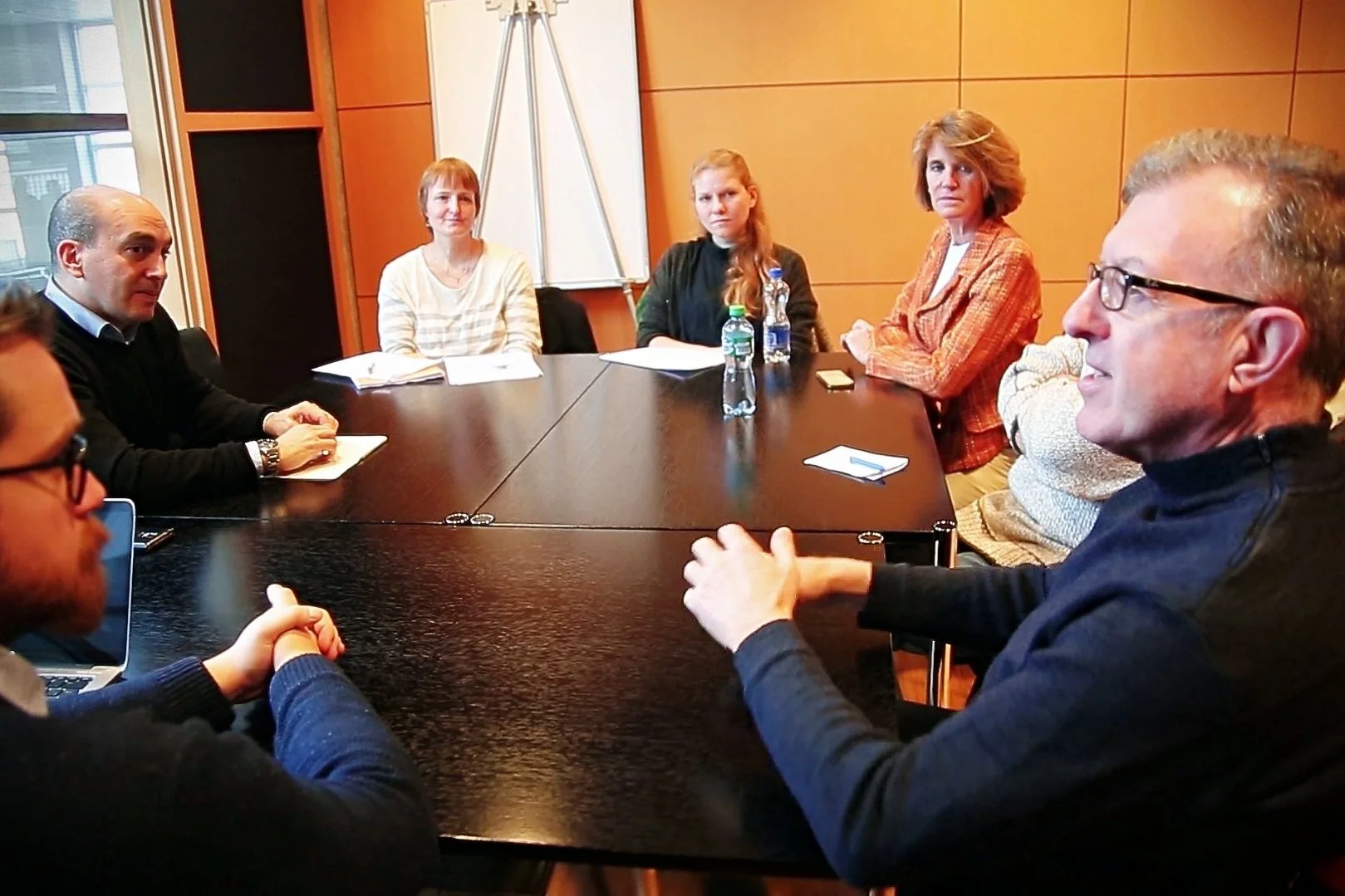
Dr. Retsa has collaborated with Meeting for Minds through the SYNERGIES program, which emphasizes co-designed research involving individuals with lived experience of mental illness. Her work within this initiative focuses on understanding brain responses to auditory stimuli in populations such as individuals with early psychosis and those born preterm. sciety.org+2meetingforminds.com+2schola
“Insert quote here”
Featured Research & Work
Sensory Substitution in Congenitally Blind Individuals: Dr. Retsa co-authored a study demonstrating that visual cortices in congenitally blind individuals can process face and letter recognition through auditory stimuli provided by sensory substitution devices. This research highlights the brain's adaptability and supports the concept of task-contingent functional organization. sciencedirect.com+4biorxiv.org+4sciety.org+4
Auditory Processing in Preterm Children: She contributed to research revealing that children born preterm exhibit distinct auditory sensory and semantic processing patterns compared to full-term peers. These differences were evident in brain responses to various sound categories, indicating long-term impacts of preterm birth on sensory processing. sciety.org
Cross-Modal Activation of Visual Cortices: Dr. Retsa's work has shown that selective attention to specific sound features can mediate the activation of visual cortices, emphasizing the interplay between auditory and visual processing in the brain. scholar.google.com+2sciencedirect.com+2susi.usi.ch+2
Attentional Control in Multisensory Environments: She has explored how top-down attentional mechanisms operate in environments with multiple sensory inputs, providing insights into how the brain prioritizes and processes complex sensory information. direct.mit.edu